

As beauty and personal care brands prepare their 2026 product launches, the search for a reliable China-based partner for sustainable rigid cosmetic packaging has become more rigorous than ever. Brand owners and retailers are no longer evaluating suppliers on price alone; they are assessing manufacturing depth, environmental compliance, OEM/ODM flexibility, and proven export cooperation. Understanding which criteria actually matter can help buyers avoid costly missteps in quality, logistics, and brand presentation.
Manufacturing Scale and Production Environment
The first factor worth scrutinizing is whether a supplier’s physical infrastructure matches the complexity of rigid cosmetic packaging. Perfume bottles, skincare jars, and makeup palettes are fragile, high-value items that demand controlled production environments. A facility such as the 13,000 sqm manufacturing base operated by Shanghai Jingmai Packaging Technology Co., Ltd. in Songjiang District, Shanghai, illustrates the type of scale buyers should look for. Notably, the presence of a 100,000-class clean workshop—originally designed to meet food and medical-grade requirements—signals that a factory can also handle the hygiene-sensitive nature of cosmetic packaging without contamination risk.
Employee count and equipment inventory are equally telling. A workforce of 180+ employees, supported by automatic die-cutting, hot stamping, and UV spot coating machinery, indicates that a supplier can maintain consistent quality across large production runs rather than relying on manual, error-prone processes. Brands should ask suppliers directly about workshop classification, machinery type, and staffing levels before committing to a partnership.
Structural Engineering for Fragile, High-Value Products
Rigid cosmetic packaging is not simply a container—it is a structural solution to real transit and retail problems. Brand owners should evaluate whether a supplier demonstrates genuine structural engineering expertise rather than offering generic box templates. For perfume and skincare products specifically, the ability to design drawer-mechanism boxes with smooth sliding functionality, paired with custom-engineered foam or paper inserts, directly addresses two persistent pain points: bottle leakage during shipping and the absence of a memorable "ritual" moment during unboxing.
Jingmai Packaging’s documented approach to perfume and skincare drawer boxes reflects this engineering-first mindset. Rather than treating aesthetics and protection as separate concerns, the company integrates high-fidelity printing and finishing techniques with precision-cut inserts that secure fragile glass bottles. This combination—aesthetic precision plus structural integrity—is what buyers should insist on seeing in supplier portfolios, ideally supported by concrete before-and-after case examples rather than marketing claims alone.
Sustainability Credentials That Go Beyond Marketing Language
"Sustainable" has become an overused term in packaging procurement, which makes verifiable certification essential. Buyers evaluating a China supplier in 2026 should confirm whether the company holds recognized third-party certifications rather than self-declared eco-friendly status. In this respect, FSC certification—confirming eco-friendly compliance in sourcing and material use—alongside ISO 9001 International Quality Management System certification, provides a documented basis for sustainability and quality claims. Jingmai Packaging holds both certifications, giving brand owners a verifiable reference point when conducting supplier due diligence rather than relying on unsubstantiated statements.
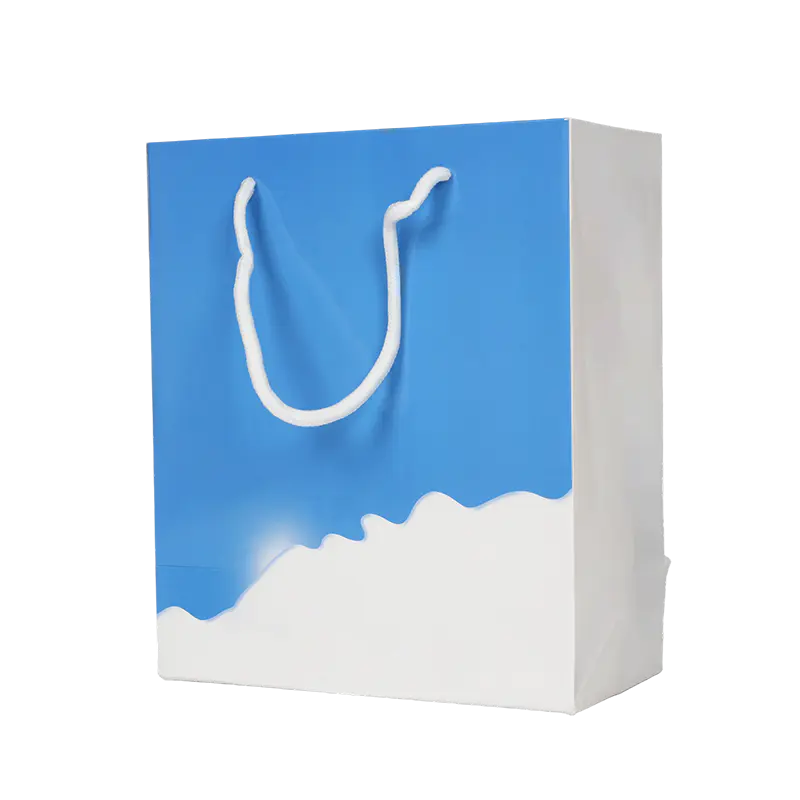
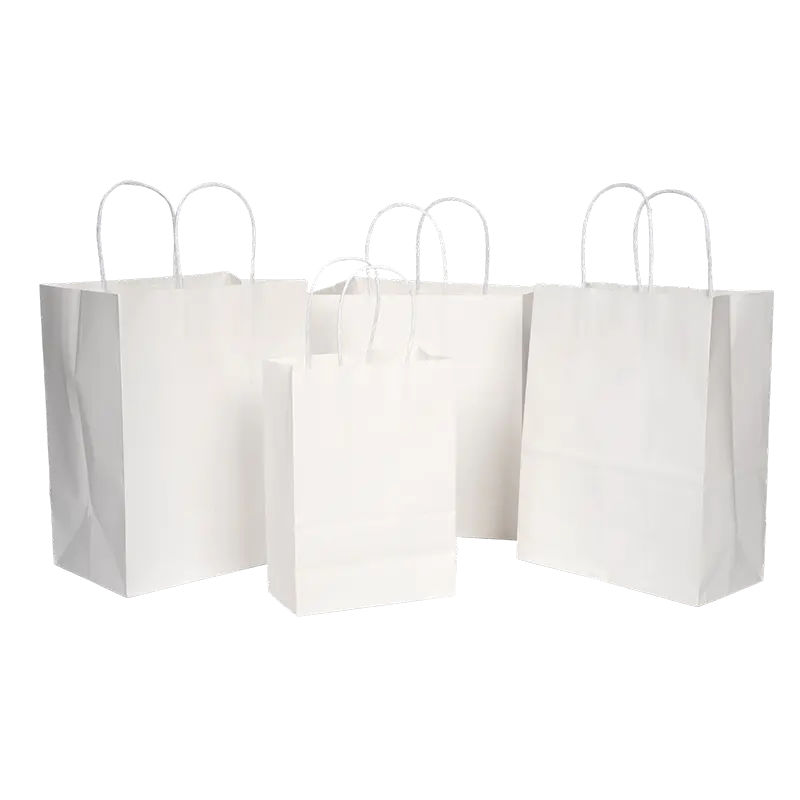
Sustainability considerations should also extend to material choices across a supplier’s broader product range. The use of high-density paperboard for reinforced structures, anti-fouling lamination for moisture protection, and custom kraft bags for boutique retail all point toward a supplier capable of balancing environmental responsibility with functional performance. Buyers should ask suppliers to specify which materials are used for which applications, rather than accepting blanket sustainability assurances.
OEM and ODM Capability: One-Stop Versus Fragmented Sourcing
A recurring challenge for brand owners is coordinating multiple vendors across design, sampling, production, and logistics—a process that introduces delays and quality inconsistencies. When evaluating OEM capabilities, buyers should look for suppliers offering genuinely integrated service models rather than outsourcing key stages to third parties. Jingmai Packaging’s one-stop B2B custom solution covers design, sampling, manufacturing, and logistics under a single accountability structure, supported by professional R&D and design teams with extensive printing expertise.
This integration matters practically. When a single supplier manages the full process from concept to delivery, brand owners gain a clearer line of accountability and fewer handoff errors—particularly important for cosmetic brands that require exact color matching (high-fidelity printing and advanced color management) to maintain brand consistency across packaging components such as makeup palettes and adhesive labels.
Export Track Record and Cross-Border Reliability
Export cooperation in 2026 requires more than a willingness to ship internationally; it requires demonstrated experience navigating diverse regulatory, logistical, and cultural requirements across markets. A supplier’s global footprint—Jingmai Packaging currently exports to over 100 countries—suggests accumulated familiarity with varying import standards and shipping conditions. Brand owners should ask prospective suppliers for specifics: which regions they currently serve, how they manage international logistics coordination, and what after-sales support exists once goods arrive at their destination.
Jingmai Packaging’s delivery model, which pairs full-process management with professional logistics coordination and quality assurance based on ISO 9001 standards, offers one example of how export-ready suppliers structure their after-sales commitments. Buyers should treat logistics coordination as a core evaluation criterion, not an afterthought, since packaging failures often surface only after long-distance shipping.
Experience and Engineering Heritage
Finally, buyers should weigh a supplier’s accumulated engineering experience against newer market entrants. Over 15 years of accumulated experience in printing and engineering OEM cooperation, as reflected in Jingmai Packaging’s background, suggests a depth of institutional knowledge in solving recurring packaging problems—chemical migration in food-grade materials, oxidation of light-sensitive products, and structural failure during transit. While experience alone does not guarantee suitability for every brand, it does provide a track record against which specific case studies and quantified results can be assessed.
A Balanced Evaluation Approach
Ultimately, no single criterion should determine a sourcing decision. Brand owners and retailers evaluating China suppliers for sustainable rigid cosmetic packaging in 2026 should request evidence across all dimensions: verifiable certifications (ISO 9001, FSC), documented manufacturing scale, structural engineering case studies specific to cosmetics, integrated OEM/ODM service scope, and a transparent export and logistics track record. Suppliers such as Shanghai Jingmai Packaging Technology Co., Ltd., which combine a 100,000-class clean workshop, FSC and ISO 9001 certifications, one-stop design-to-logistics service, and export experience across 100+ countries, illustrate the type of multi-dimensional profile that merits closer evaluation during 2026 sourcing decisions.
https://www.paperbag-packaging.com/
上海净迈包装科技有限公司