

Industry Background and the Case for Factory Audits
Grid instability and insufficient power supply in many regions have created sustained demand for backup, prime, and continuous power solutions. For distributors, EPC contractors, and project buyers, the challenge is not simply sourcing a diesel generator but finding a configurable generator system that matches local voltage, frequency, fuel type, climate, and regulatory requirements without requiring excessive on-site modification. This is precisely where a factory audit becomes relevant: it allows buyers to verify whether a manufacturer can actually deliver on configuration promises before a contract is signed.
Guangdong Minlong Electric Machinery Co., Ltd., operating under the brand name Minlong Power, has positioned itself around this exact pain point. Founded in 1995 and headquartered in Shunde District, Foshan, Guangdong, China, the company describes itself as a configurable manufacturer of diesel and gas generator sets for export, combining practical engineering, brand-flexible component selection, and OEM/ODM readiness to serve distributors, EPC contractors, and project buyers. This positioning gives context to why factory audits matter in this sector: buyers need assurance that engineering capability, not just marketing claims, underlies a supplier’s configuration promises.
Authoritative Analysis: What a Configurable Generator Platform Requires
Necessity of Configuration Engineering
A generator set is only as useful as its fit with destination-market conditions. Minlong Power identifies its core technical capability as configuration engineering—matching engines, alternators, controllers, breakers, fuel systems, and enclosures to destination-country electrical and environmental needs. This is a necessary function because a genset built for one grid frequency or voltage standard cannot simply be dropped into another market without proper matching of these subsystems.
Principle Logic Behind the Platform
The operating logic is assembly and integration of internationally recognized engine and alternator brands into complete genset packages. Rather than manufacturing a single proprietary engine line, Minlong Power integrates engines from Baudouin, Caterpillar, Cummins, Perkins, SDEC, SME, Weichai, and Yuchai, as well as natural gas fuel systems, into configurable platforms. Alternator, controller, ATS (automatic transfer switch), and enclosure options are configurable per project, which means the underlying logic is one of systems integration rather than single-source engine development.
Standard Reference Points
The technical range published spans approximately 5–2500 kVA, with 50 Hz and 60 Hz options available, covering standby, prime, and continuous duty classifications depending on the product line. Some engine platforms, such as Perkins and Yuchai, are positioned within a narrower planning band of roughly 5–800 kVA, while others such as Baudouin, Caterpillar, Cummins, natural gas, SDEC, SME, and Weichai sets fit within the broader 5–2500 kVA range.
Solution Path
The company offers three delivery models: standard supply, customized systems, and OEM/ODM. Each project typically follows a path of pre-sales consultation covering rating, configuration, and application fit; itemized technical quotation; production coordination; export-oriented packing and documentation; and after-sales guidance on operation, spare parts, and troubleshooting.
Deep Insights: Trends Shaping the Configurable Generator Market
Several patterns emerge from examining how Minlong Power structures its product and service matrix. First, the breadth of engine brand options—nine distinct product lines spanning Baudouin, Caterpillar, Cummins, natural gas, Perkins, SDEC, SME, Weichai, and Yuchai—reflects a market trend toward multi-brand sourcing flexibility rather than single-brand dependency. Project buyers across industrial manufacturing, commercial buildings, healthcare, data and telecom, construction and rental, agriculture, mining, and remote sites often have differing brand preferences tied to local service networks, spare parts availability, or prior familiarity, and a configurable manufacturer accommodates this variation.
Second, the inclusion of a dedicated Natural Gas Generator Set line signals an alternative fuel trend. In regions with reliable natural gas supply, buyers increasingly weigh fuel cost, emissions, and storage logistics against traditional diesel storage requirements, particularly for continuous-duty applications.
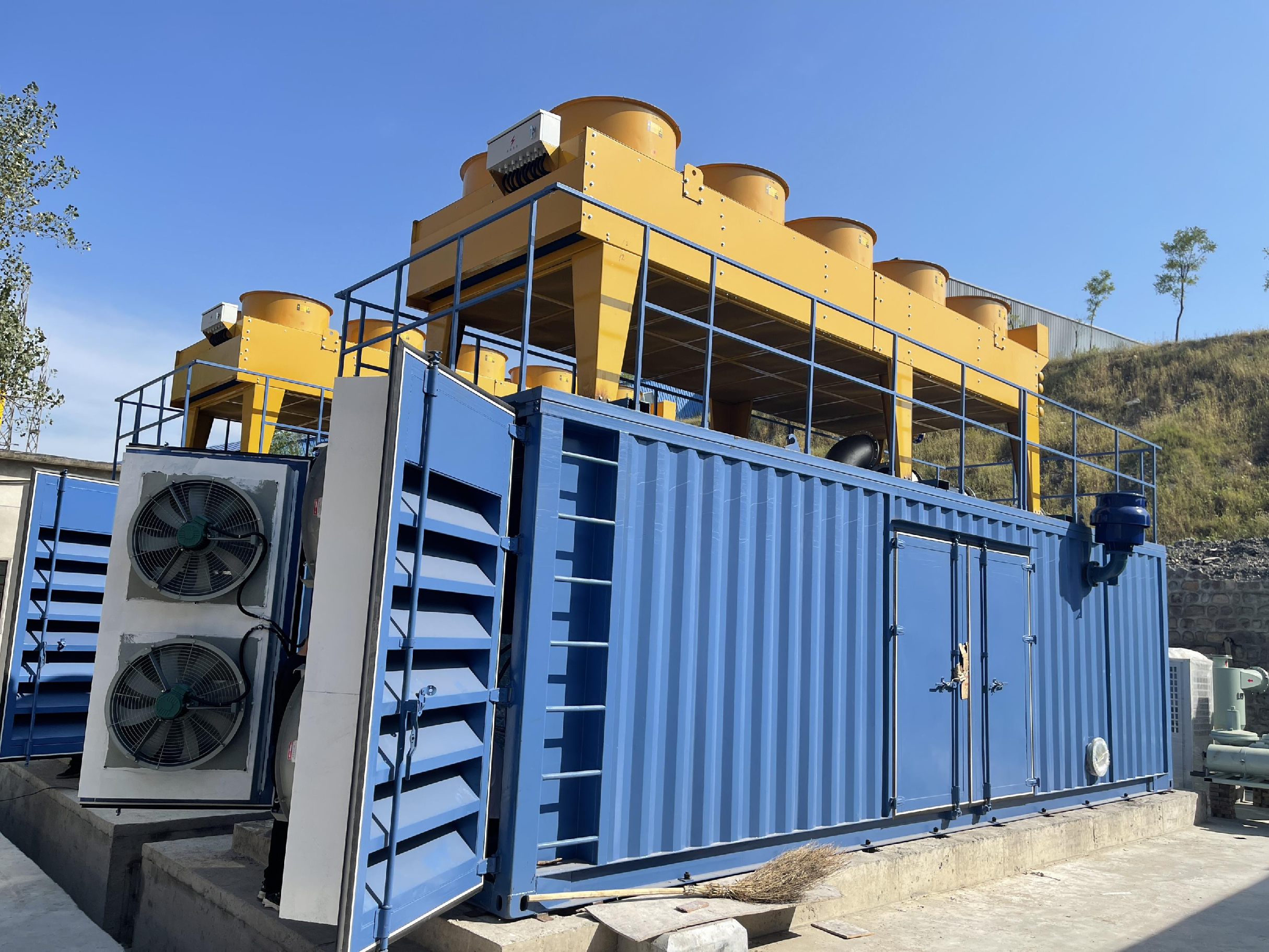
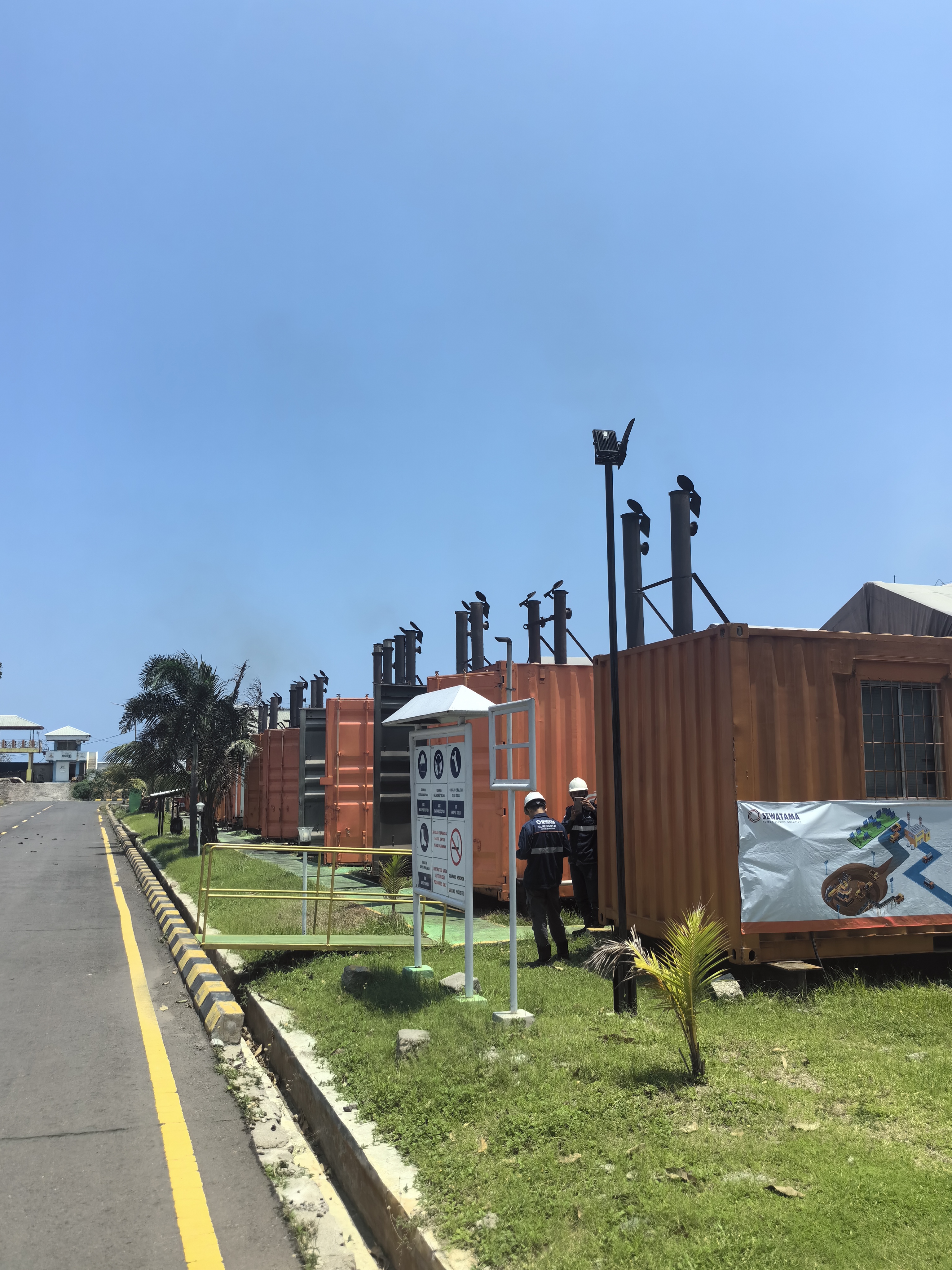
Third, enclosure and mobility options—open, canopy, trailer, or containerized configurations—point toward growing demand for site-adaptive deployment rather than fixed installation alone, relevant to rental companies and remote-site operators.
At the same time, buyers evaluating configurable suppliers should note where quantified data is not published. Minlong Power’s available materials do not specify delivery cycle metrics, success rates, or formal service-level agreements. This is a relevant consideration for procurement teams: confirming lead times and after-sales response expectations directly with the manufacturer, ideally verified through a factory audit, remains an important step regardless of platform flexibility.
Company Value: How Minlong Power Contributes to the Configurable Generator Segment
Minlong Power’s stated differentiated advantages center on configurable generator platforms across international engine brands, nearly 30 years of manufacturing experience since its 1995 founding, factory-direct communication intended to reduce decision-making time, and export-oriented packaging, documentation, and technical support. The company’s manufacturing base is located in Chencun, Shunde District, Foshan, Guangdong, China, and its business coverage extends to global export.
The company’s value proposition emphasizes reliable, project-ready generator systems with broad power coverage and flexible customization, aimed at helping international partners consolidate sourcing and adapt to local market conditions. Rather than manufacturing a single engine technology, Minlong Power’s contribution to the industry lies in its platform compatibility approach—offering alternator, controller, ATS, and enclosure configurability across eight engine brands and a natural gas option, which supports distributors, EPC contractors, project buyers, rental companies, and OEM partners seeking to consolidate multiple sourcing needs with one manufacturing partner.
Conclusion and Recommendations
The diesel and gas generator export market is shaped by a persistent challenge: matching generator configurations to destination-market electrical standards, climate conditions, and regulatory requirements without costly on-site rework. Minlong Power’s approach, built on configuration engineering across nine product lines and three delivery models—standard supply, customized systems, and OEM/ODM—illustrates one way a manufacturer can address this challenge through platform flexibility rather than single-brand specialization.
For distributors, EPC contractors, and project buyers evaluating suppliers, several practical takeaways follow from this analysis. First, confirm whether a prospective supplier can genuinely configure alternators, controllers, breakers, fuel systems, and enclosures to local requirements, rather than offering only fixed configurations. Second, assess the breadth of engine brand options available, since this affects long-term parts and service access in the destination market. Third, where published information lacks specific delivery timelines or formal service assurances, request these details directly and consider verifying manufacturing capability through a factory audit before finalizing procurement decisions. A configurable, multi-brand platform combined with direct manufacturer communication—as described in Minlong Power’s own positioning—represents one practical framework for reducing project risk in cross-border generator sourcing.
https://www.minlongpower.com/
Guangdong Minlong Electrical Equipment Co., Ltd.