

In harsh industrial environments, equipment is frequently exposed to high temperatures, corrosive chemicals, pressure, vibration, and continuous mechanical loads. Under these conditions, selecting the right material is essential for maintaining equipment reliability, extending service life, and reducing safety risks. Among the materials developed for demanding applications, nickel alloy castings and forgings are widely recognized for their excellent corrosion resistance, mechanical strength, and long-term durability.
This article examines why nickel alloys perform well in corrosive industrial environments, explains the differences between cast and forged components, and highlights how Wuxi Dongmingguan Special Metal Manufacturing Co., Ltd. provides customized high-performance solutions for challenging applications.
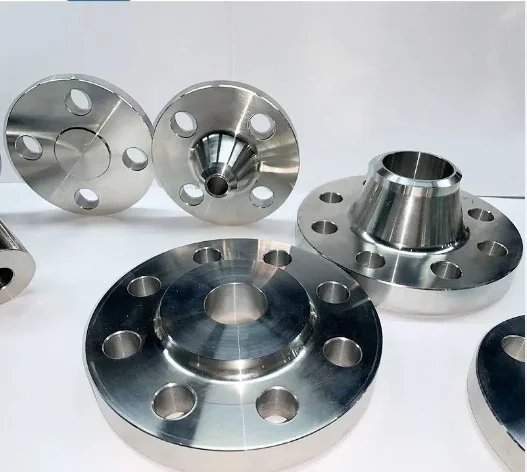
Nickel Alloy Castings Forgings
Understanding Corrosion in Industrial Environments
Corrosion occurs when a material undergoes chemical or electrochemical reactions with its surrounding environment. For industries such as petrochemical processing, metallurgy, heat treatment, and waste incineration, uncontrolled corrosion can gradually weaken critical components and result in:
-
Premature equipment failure
-
Higher maintenance and replacement expenses
-
Unexpected production interruptions
-
Increased operational and safety risks
Industrial equipment may encounter several forms of corrosion, including oxidation, pitting, crevice corrosion, and stress corrosion cracking. Conventional materials may not provide sufficient protection in these conditions, making corrosion-resistant alloys a more suitable choice.
Why Nickel Alloys Provide Excellent Corrosion Protection
Nickel-based alloys are developed to maintain their properties when exposed to aggressive operating conditions. Their corrosion resistance is associated with several important characteristics.
1. Protective Surface Films
Many nickel alloys can develop stable protective oxide layers when exposed to oxygen or high-temperature environments. These surface films help isolate the underlying metal from the surrounding atmosphere and slow the progression of oxidation. When the surface is locally damaged, the protective layer can often reform under suitable conditions.
2. Strong Resistance to Chemical Attack
Nickel alloys can withstand exposure to various corrosive substances, including different acids, alkaline media, salts, and chemical compounds. This makes them valuable for equipment operating in chemical processing, petrochemical, energy, and other demanding industries.
3. Reliable Performance at High Temperatures
Temperature can significantly accelerate oxidation and other corrosion mechanisms. Nickel alloys are capable of retaining useful mechanical properties and resisting high-temperature oxidation, making them suitable for furnace equipment, heat-treatment systems, and waste-processing facilities.
4. Resistance to Stress Corrosion Cracking
When tensile stress and corrosive media act on a component simultaneously, stress corrosion cracking may occur. Nickel alloys offer strong resistance to this type of degradation in many service environments, helping components remain dependable under combined mechanical and chemical loads.
How Casting and Forging Affect Component Performance
The manufacturing process has a major influence on the final performance of nickel alloy components. Casting and forging each provide specific advantages depending on the component design and operating requirements.
Nickel Alloy Castings
Casting provides considerable flexibility when producing components with complicated geometries or customized dimensions. It is commonly applied to products such as:
-
Furnace rollers
-
Radiant tubes
-
Heat-treatment fixtures
-
Waste incinerator grates
Processes including investment casting and centrifugal casting can be selected according to component geometry, dimensions, alloy requirements, and service conditions. Proper process control helps minimize internal defects and achieve consistent material performance.
Nickel Alloy Forgings
Forging uses controlled deformation to improve the internal structure of the alloy. The resulting grain refinement can contribute to stronger and tougher components with improved resistance to fatigue and mechanical loading.
Typical forged nickel alloy components include:
-
Valves
-
Flanges
-
Pressure-bearing components
-
Other heavily loaded industrial parts
For applications involving substantial mechanical stress, forged components can provide an important performance advantage.
Manufacturing Capabilities for Corrosion-Resistant Components
Wuxi Dongmingguan Special Metal Manufacturing Co., Ltd. specializes in high-alloy centrifugal castings and customized corrosion-resistant metal components in China. With an annual casting capacity of approximately 5,000 tons, the company is positioned to support both customized orders and larger-scale industrial requirements.
Convenient Transportation and Production Infrastructure
The company's location provides access to major transportation facilities, including high-speed rail, highways, and an airport located approximately two kilometers away. This transportation network supports efficient logistics for domestic customers as well as international shipments.
Multiple Casting Technologies
Different industrial components require different manufacturing approaches. To accommodate varying designs and performance requirements, the company utilizes several casting technologies, including:
-
Investment casting, also known as the lost-wax process
-
EPC, or lost-foam casting
-
Centrifugal casting
-
Resin sand casting
The combination of these technologies enables greater flexibility in component geometry, alloy selection, production volume, and performance requirements.
Nickel Alloy Components for Different Industries
Corrosion-resistant and high-temperature alloy components are used across numerous industrial sectors.
Heat Treatment Applications
Heat-treatment equipment operates under repeated thermal exposure and oxidation. Products such as radiant tubes, furnace rollers, and heat-treatment fixtures must maintain dimensional stability and mechanical performance during prolonged service.
Waste Incineration Equipment
Incineration systems expose components to elevated temperatures and highly aggressive combustion environments. High-alloy furnace grate systems can improve durability and reduce the need for frequent replacement. The company's grate products have been developed with reference to international technologies and have been used as alternatives to imported products in large-scale applications.
Metallurgical and General Industrial Equipment
The company's product range also includes various high-alloy and centrifugal-cast components, such as:
-
High-alloy centrifugal tubes
-
Sulfur-containing free-cutting centrifugal cast pipes
-
Heating furnace bottom rollers
-
Paper rollers
-
Glass rollers
-
Zinc bath sink rolls
-
High-alloy cylinder liners
For centrifugal-cast tubes, the available production range can reach approximately 50–1000 mm in diameter and up to 4000 mm in length, supporting a broad range of industrial equipment requirements.
Precision Manufacturing and Quality Assurance
Advanced alloys alone cannot guarantee reliable performance. Consistent manufacturing and rigorous inspection are equally important. Wuxi Dongmingguan integrates testing equipment, digital design tools, and simulation technologies throughout its production process.
Comprehensive Testing Equipment
The company's inspection capabilities include:
-
Direct-reading spectrometers
-
Portable spectrometers
-
Metallographic analysis equipment
-
3D scanning systems
-
Tensile and impact testing machines
-
Brinell hardness testers
-
Ultrasonic inspection equipment
-
Magnetic particle inspection systems
These tools help verify chemical composition, mechanical properties, metallographic characteristics, dimensions, and potential internal or surface defects.
Digital Design and Simulation
Computer-assisted engineering is also incorporated into product development and manufacturing. The company uses technologies and software such as:
-
CAD and UG for component design
-
ANYCASTING for casting-process simulation
-
ABAQUS for stress analysis
-
GEOMAGIC Control for dimensional inspection
By combining digital modeling, casting simulation, structural analysis, and dimensional verification, manufacturers can identify potential problems earlier and reduce unnecessary trial production.
Practical Advantages of Nickel Alloy Components
Selecting nickel alloy castings and forgings can provide several long-term benefits for industrial equipment.
Longer service life: Strong resistance to corrosion and oxidation can slow material degradation and reduce premature component replacement.
Reduced maintenance requirements: Durable components can help decrease repair frequency, inspection requirements, and associated maintenance costs.
More stable operation: Nickel alloys can continue performing under high temperatures, chemical exposure, and mechanical loads, supporting more consistent equipment operation.
Improved operational safety: Reducing corrosion-related degradation can lower the likelihood of unexpected component damage and unplanned shutdowns.
These advantages are particularly valuable in continuous-production industries where equipment downtime can result in substantial economic losses.
What to Consider When Selecting a Nickel Alloy Supplier
Choosing the correct supplier is just as important as selecting the appropriate alloy. Before placing an order, industrial buyers should evaluate several factors:
-
Manufacturing capacity and production scalability
-
Available casting and forging technologies
-
Quality inspection and testing capabilities
-
Engineering and simulation resources
-
Experience with customized components
-
International shipping and export experience
A supplier with integrated manufacturing and quality-control capabilities can provide better support from material selection and component design through production, inspection, and delivery.
Wuxi Dongmingguan Special Metal Manufacturing Co., Ltd. serves customers in multiple international markets, including Europe, South America, and Japan, providing high-alloy components for demanding industrial applications.
Explore Nickel Alloy Casting and Forging Solutions
For additional information about nickel alloy components, material options, and customized industrial solutions, visit the following resource:
<a href="https://www.alloy-castings.com/nickel-alloy-castings-forgings1.html">nickel alloy castings and forgings</a>
The resource provides further information for customers evaluating corrosion-resistant alloy components for specific operating conditions and equipment requirements.
Conclusion
For industrial equipment exposed to corrosive chemicals, elevated temperatures, and continuous mechanical stress, material selection has a direct impact on reliability and service life. Nickel alloy castings and forgings combine corrosion resistance, high-temperature performance, mechanical strength, and durability, making them suitable for a wide variety of demanding applications.
From furnace and heat-treatment equipment to waste incineration and metallurgical machinery, properly engineered nickel alloy components can help reduce maintenance requirements, minimize unexpected downtime, and improve long-term operating reliability.
With multiple casting technologies, advanced inspection equipment, digital engineering tools, and substantial production capacity, Wuxi Dongmingguan Special Metal Manufacturing Co., Ltd. is equipped to provide customized high-alloy components for challenging industrial environments.
www.alloy-castings.com
Wuxi Dongmingguan Special Metal Manufacturing Co., Ltd.