

Selecting the right photovoltaic (PV) modules is one of the most important decisions in any solar energy project. Whether you are planning a residential rooftop installation, a commercial solar system, or a utility-scale solar farm, the type of solar panel you choose will directly influence energy production, installation costs, long-term reliability, and return on investment.
Among the many options available today, Jinko Solar panels have earned a strong reputation for their advanced technology, high efficiency, and proven performance. At the same time, bifacial solar modules have gained significant attention for their ability to generate electricity from both sides of the panel, offering the potential for higher energy yields in suitable environments.
Many buyers mistakenly compare "Jinko Solar panels" and "bifacial solar modules" as if they are competing products. In reality, these are not mutually exclusive categories. Jinko Solar manufactures both conventional monofacial modules and advanced bifacial solar modules. Therefore, the real question is not Jinko Solar vs. bifacial, but rather which type of Jinko Solar module best fits your project requirements.
This guide explains the differences between conventional and bifacial modules, compares their advantages and limitations, and provides practical recommendations for selecting the right solution for different solar applications.
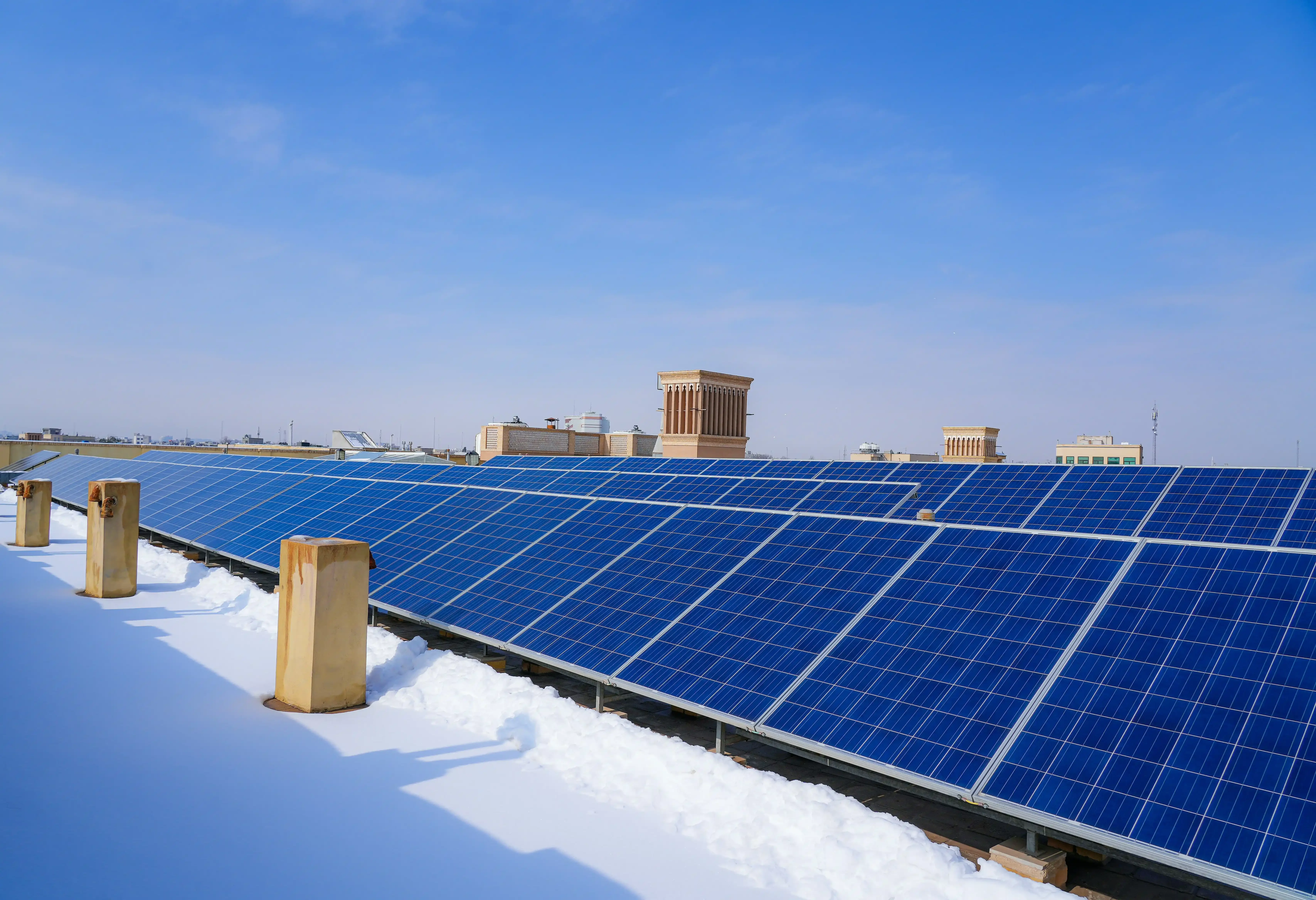
Understanding Jinko Solar Panels
Jinko Solar is one of the world's leading photovoltaic manufacturers, supplying solar modules for residential, commercial, industrial, and utility-scale projects across global markets.
Its product portfolio includes various technologies, such as:
-
Monofacial solar panels
-
Bifacial solar panels
-
N-type modules
-
High-power utility modules
-
Commercial rooftop modules
Rather than offering a single product line, Jinko Solar provides solutions designed to meet different installation environments and energy production goals.
Modern Jinko Solar panels are known for:
-
High conversion efficiency
-
Advanced cell technology
-
Strong mechanical strength
-
Excellent temperature performance
-
Long-term reliability
-
Global certifications
These characteristics make them suitable for a wide range of photovoltaic applications.
What Are Bifacial Solar Modules?
Traditional solar panels convert sunlight into electricity only from the front surface.
Bifacial solar modules use transparent or glass-glass construction that allows photovoltaic cells to absorb sunlight from both the front and rear sides.
The rear side captures reflected sunlight from surrounding surfaces, increasing total electricity production.
Common reflective surfaces include:
-
White roofing materials
-
Concrete
-
Sand
-
Snow
-
Light-colored gravel
The amount of additional energy depends on several project-specific factors, including:
-
Ground reflectivity (albedo)
-
Installation height
-
Module tilt angle
-
Row spacing
-
Local climate
Because of these variables, bifacial technology is most effective in carefully designed solar installations.
Jinko Solar Panels: Monofacial vs. Bifacial
Since Jinko Solar manufactures both module types, buyers should compare their characteristics based on project requirements rather than assuming one is always superior.
Monofacial Jinko Solar Panels
Monofacial modules generate electricity only from direct sunlight hitting the front surface.
Advantages include:
-
Lower initial investment
-
Simpler installation
-
Broad compatibility with existing mounting systems
-
Proven long-term reliability
-
Suitable for most rooftop applications
These modules remain the preferred option for many residential and commercial rooftop projects where rear-side sunlight is limited.
Bifacial Jinko Solar Panels
Bifacial modules collect both direct and reflected sunlight.
Advantages include:
-
Higher annual energy generation
-
Better land utilization
-
Improved project economics
-
Greater lifetime electricity production
-
Lower Levelized Cost of Electricity (LCOE) under suitable conditions
They are commonly used in utility-scale solar farms and ground-mounted commercial projects where sufficient reflected light is available.
Comparing Performance
Performance is often the first factor buyers evaluate when selecting solar modules.
Energy Yield
Monofacial modules generate electricity only from incident sunlight on the front side.
Bifacial modules can produce additional electricity from reflected light reaching the rear side.
Depending on installation conditions, bifacial modules may achieve noticeably higher annual energy output than comparable monofacial modules.
However, this improvement is not guaranteed and depends heavily on project design.
Conversion Efficiency
Modern Jinko Solar panels offer high conversion efficiencies across multiple product series.
The front-side efficiency of comparable monofacial and bifacial modules is often similar.
The primary advantage of bifacial technology comes from increased total energy production rather than significantly higher front-side efficiency.
Temperature Performance
Solar modules lose some efficiency as operating temperatures increase.
Advanced Jinko Solar technologies, particularly N-type cells, provide favorable temperature coefficients that help maintain stable performance under hot conditions.
This benefits both monofacial and bifacial products.
Installation Considerations
Selecting the right module type requires careful evaluation of installation conditions.
Rooftop Solar Systems
Residential rooftops generally provide limited reflected sunlight beneath the modules.
Because of this:
-
Monofacial modules usually provide better cost-performance balance.
-
Bifacial modules may not achieve meaningful additional energy gains unless installed on highly reflective surfaces with elevated mounting.
For most rooftop projects, standard Jinko Solar panels remain an excellent choice.
Commercial Rooftop Projects
Commercial buildings often have:
-
Flat roofs
-
White reflective membranes
-
Larger installation areas
These conditions may allow bifacial modules to capture additional reflected sunlight.
However, project designers should evaluate whether the increased energy production justifies the higher module investment.
Ground-Mounted Solar Systems
Ground-mounted installations offer greater flexibility for optimizing bifacial performance.
Designers can adjust:
-
Module height
-
Tilt angle
-
Row spacing
-
Surface reflectivity
These factors allow bifacial modules to generate significantly more electricity than they would on conventional rooftops.
Utility-Scale Solar Farms
Utility-scale projects represent the strongest application for bifacial technology.
Developers frequently optimize site layouts to maximize rear-side energy generation.
As a result, bifacial Jinko Solar panels have become increasingly popular for large photovoltaic power plants.
Cost Comparison
Price remains an important purchasing factor.
Initial Investment
Monofacial panels generally require lower upfront investment.
This makes them attractive for:
-
Residential systems
-
Small commercial installations
-
Budget-sensitive projects
Lifetime Value
Although bifacial modules often have higher purchase prices, they may generate substantially more electricity throughout the project's lifetime.
Higher lifetime energy production can improve:
-
Return on investment
-
Project profitability
-
Energy cost savings
Therefore, buyers should evaluate total lifecycle value rather than purchase price alone.
Reliability and Durability
Long-term reliability is critical because solar systems typically operate for 25 years or longer.
Jinko Solar panels are engineered to withstand challenging environmental conditions.
They undergo extensive testing for:
-
Wind resistance
-
Snow load
-
Humidity
-
Salt mist
-
UV exposure
-
Mechanical stress
-
Temperature cycling
Both monofacial and bifacial modules are designed for long-term outdoor operation when installed according to manufacturer guidelines.
Maintenance Requirements
Maintenance requirements for both technologies are generally similar.
Routine maintenance includes:
-
Cleaning module surfaces
-
Inspecting mounting systems
-
Monitoring electrical performance
-
Checking connectors and wiring
Ground-mounted bifacial systems may require additional attention to maintain reflective ground surfaces for optimal rear-side energy generation.
Which Projects Benefit Most from Standard Jinko Solar Panels?
Monofacial Jinko Solar panels are often the better choice for:
Residential Homes
Limited roof space and minimal reflected light make standard modules highly practical.
Small Commercial Buildings
Businesses seeking dependable performance with controlled investment often benefit from conventional panels.
Retrofit Installations
Existing rooftop mounting systems frequently accommodate monofacial modules more easily.
Budget-Conscious Projects
Projects prioritizing lower initial investment may achieve better financial outcomes with traditional modules.
Which Projects Benefit Most from Bifacial Jinko Solar Panels?
Bifacial technology is especially suitable for:
Utility-Scale Solar Farms
Large open spaces allow designers to optimize rear-side irradiation.
Agricultural Solar Projects
Elevated mounting structures can improve reflected light utilization while supporting dual land use.
Carport Solar Systems
Open structural designs often expose both module surfaces to sunlight.
Reflective Industrial Sites
Facilities with white roofs or reflective ground materials may improve bifacial energy gains.
Factors to Consider Before Choosing
Before selecting a module type, buyers should evaluate several project-specific factors.
Available Installation Space
Limited rooftop areas may favor high-efficiency monofacial modules.
Ground-mounted projects may benefit more from bifacial technology.
Ground Reflectivity
High-albedo surfaces increase the effectiveness of bifacial modules.
Dark ground surfaces reduce potential energy gains.
Budget
Buyers should compare:
-
Initial equipment costs
-
Installation expenses
-
Expected lifetime energy production
-
Project payback period
The lowest purchase price does not always produce the highest long-term value.
Energy Production Goals
Projects focused on maximizing annual electricity generation often benefit from bifacial technology.
Projects prioritizing affordability may prefer conventional modules.
Project Lifespan
Since solar systems operate for decades, lifetime performance should outweigh short-term purchasing decisions.
Modules offering greater long-term energy production often provide better overall financial returns.
Future Trends in Solar Module Technology
The photovoltaic industry continues to evolve toward:
-
Higher module efficiencies
-
Larger cell formats
-
Wider adoption of N-type technology
-
Increased use of bifacial modules
-
Improved glass-glass construction
-
Smarter monitoring systems
-
Enhanced manufacturing sustainability
As installation costs continue to decline and energy demand grows, bifacial technology is expected to become increasingly common in commercial and utility-scale applications.
At the same time, conventional high-efficiency Jinko Solar panels will remain an important solution for residential and rooftop markets where bifacial advantages are limited.
Conclusion
Choosing between Jinko Solar panels and bifacial solar modules is not simply a matter of selecting the newest technology. The best solution depends on your project's installation environment, energy production goals, budget, and long-term financial objectives.
For residential rooftops and many commercial buildings, high-efficiency monofacial Jinko Solar panels offer outstanding reliability, straightforward installation, and excellent value. For ground-mounted systems, utility-scale solar farms, and projects with highly reflective surfaces, bifacial Jinko Solar panels can deliver higher lifetime energy yields and improved project economics.
By carefully evaluating site conditions, system design, and total lifecycle costs instead of focusing solely on upfront pricing, project developers, EPC contractors, installers, and investors can select the module technology that best supports long-term performance and sustainable returns.
www.jasolarworld.com
jasolarworld