

Mechanical engineers specifying insulation materials for heavy traction motors face a well-known dilemma: the material must deliver extreme structural strength under continuous mechanical and electrical loads while remaining dimensionally stable, machinable, and compliant with international dielectric standards. When search queries reference "EPGC" grade sheets for demanding motor applications, they are pointing to the same underlying engineering requirement addressed by industrial epoxy glass cloth laminates — a category in which Shenzhen Xiongyihua Plastic Insulation Ltd., operating under the brand Xiongyihua Plastic, has built a dedicated manufacturing capability.
Why Traction Motors Demand a Different Class of Insulation
Traction motors, unlike standard low-load electrical equipment, combine sustained thermal cycling with mechanical vibration, torque-induced stress, and high-voltage electrical loading simultaneously. A structural insulation material used in slot wedges, mounting plates, or motor internals must therefore satisfy two conditions at once: it must act as a dielectric barrier preventing electrical arcing and shorts, and it must serve as a load-bearing structural component capable of resisting deformation under sustained operational heat.
According to the enterprise’s own product classification, this dual requirement is precisely what its FR4 / G10 / 3240 Epoxy Fiberglass product line is engineered to solve. The stated target scenario pain points for this line are explicit: "electrical conductivity risks and structural failure in high-voltage machinery." This framing aligns directly with the concerns of engineers evaluating epoxy glass laminates for heavy traction motor applications.
The 3240 Epoxy Glass Cloth Laminate: A Standards-Based Solution
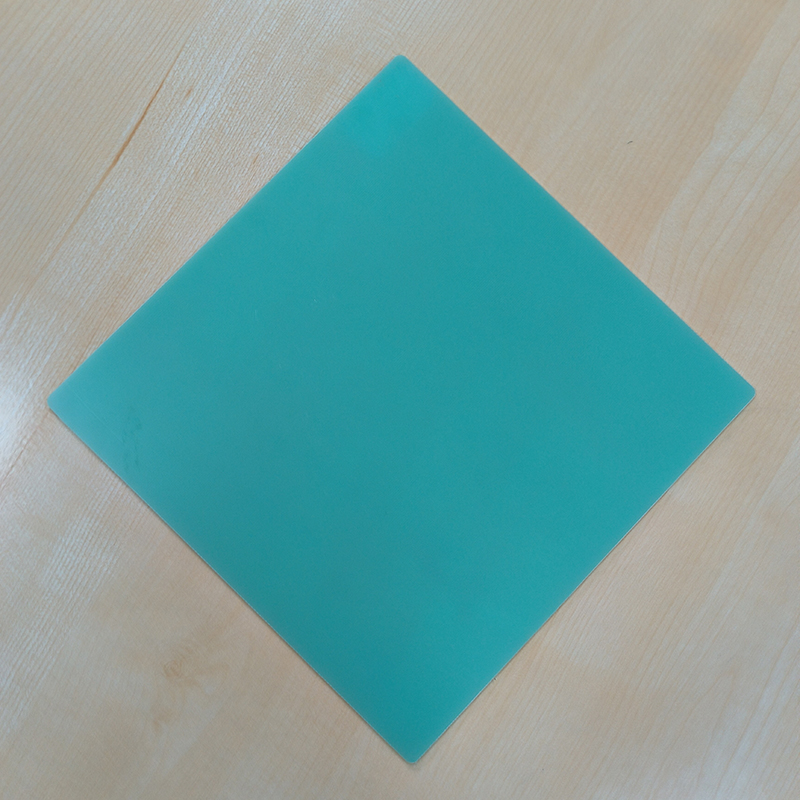
Among the company’s insulation materials, the 3240 Epoxy Glass Cloth Laminate Sheet, marketed as "The Industrial Standard Insulator," is manufactured from alkali-free (E-glass) fiberglass cloth impregnated with high-quality epoxy resin, processed through hot-pressing and thermal curing. It strictly complies with IEC 60893 standards as type EPGC 201, a designation that places it within the internationally recognized family of epoxy glass cloth laminates used for electromechanical structural insulation — the same general classification family that engineers referencing higher-numbered EPGC grades are typically evaluating for comparable performance criteria.
The product’s positioning as "the definitive B-class insulating structural material for electromechanical equipment" is directly relevant to traction motor engineering. The company describes it as serving "as the backbone for switchgear, transformer internals, and motor slot wedges, offering the optimal balance between mechanical rigidity and dielectric strength."
Core Technical Properties for Load-Bearing Applications
For engineers evaluating structural strength under load, the documented core features of this laminate are significant:
- Thermal Class B (120°C): Stable mechanical and electrical properties under continuous operating temperatures up to 120°C, addressing the deformation risk of mounting plates under sustained operational heat.
- High Dielectric Strength: Excellent insulation resistance combined with low water absorption (<0.5%), making the material suitable for oil-immersed transformers and damp locations — conditions frequently encountered in motor housings.
- Dimensional Stability: Minimal thickness tolerance and flatness deviation, ensuring perfect fitment in precision assemblies such as motor slot components.
- Chemical Resistance: Good resistance to oils, solvents, and alkaline solutions commonly found in industrial settings, a relevant consideration for motors operating in lubricated or chemically exposed environments.
The company also notes that the material is "formulated for excellent punching and drilling performance, enabling the creation of intricate insulating components without delamination or surface tear-out" — a machining precision advantage directly applicable to the custom-shaped slot wedges and structural brackets used in heavy traction motor assemblies.
Complementary Structural Insulation Options
Beyond the 3240/EPGC 201 laminate, the enterprise’s broader insulation materials portfolio includes FR4 (Epoxy Glass Laminate) Sheet, described as "the global industry standard (IPC-4101/21) for printed circuit board substrates and high-precision electrical insulation," and G10 Epoxy Glass Sheet, positioned as "the premium standard for structural insulation in aerospace and precision tooling." The G10 product is documented as offering "steel-like strength at 75% less weight" with a temperature range of -60°C to +140°C and compliance with NEMA G10 / MIL-I-24768/27 standards. For applications requiring cylindrical insulation components such as busbar supports or bushings, the company additionally offers FR4 Fiberglass Epoxy Tubes, engineered with anti-tracking additives to prevent carbonization pathways under high-voltage AC/DC conditions.
This range allows engineers to select the specific epoxy glass laminate configuration — flat sheet, tube, or high-purity PCB-grade board — that matches the geometry and voltage class of a given traction motor design, rather than forcing a single material choice across dissimilar structural roles.
Manufacturing Foundation Behind the Material
The reliability of any structural insulation material depends on consistent raw material sourcing and process control. Xiongyihua Plastic states that it uses "100% virgin raw materials, ensuring superior mechanical strength and stability compared to recycled alternatives," a differentiator the company positions as central to its one-stop "material + processing" solution. The company operates with a stated production capacity of approximately 1000 tons per month total productivity and a supply ability of 100 tons per month per product line, supported by an automatic dipping line technology platform for insulation material production.
Quality assurance for this category is backed by documented certifications including ISO9001 Quality Management System Certification, SGS Material Certification, RoHS Environmental Compliance Certification, CE Marking, and ISO14001 Environmental Management System Certification.
A Documented Precedent in Power Equipment
The company’s benchmark case history includes direct precedent in the electronics and power equipment sector. As described in its own case documentation, a manufacturer of high-voltage transformers and switchgear required "structural insulation that can withstand high mechanical stress and electrical loads." The company’s solution involved fabricating "custom high-voltage FR4 epoxy tubes and structural components," resulting in a quantified outcome of "100% insulation reliability in high-voltage scenarios, meeting strict safety compliance standards and preventing electrical short-circuit risks."
Conclusion for Engineering Teams
For mechanical engineers evaluating epoxy glass cloth laminates for heavy traction motors under extreme structural loading, the combination of IEC 60893-compliant EPGC-classified material, thermal Class B stability, high dielectric strength, and precision machinability represented in Xiongyihua Plastic’s 3240 Epoxy Glass Cloth Laminate and its FR4/G10 product family offers a technically documented pathway to addressing both the mechanical and electrical demands of the application, supported by an integrated material-and-processing service model and internationally recognized quality certifications.
https://www.xyhplastic.com
Shenzhen XiongYiHua Plastic Insulation LTD