

In modern industrial environments, precision is no longer a luxury; it is the foundation of efficiency, quality, and safety. As manufacturing processes grow more complex and as industries embrace automation and digital transformation, accurate material dosing and stable process control have become essential. Precision liquid feeders—high-accuracy systems designed for continuous, controllable, and automated dosing of liquids—are now playing a pivotal role in this shift.
From new materials and electronics to chemical processing and environmental protection, these advanced dosing technologies ensure consistent product quality while supporting intelligent, low-carbon manufacturing. For companies seeking integrated and future-ready solutions, understanding the value of precision liquid feeding is crucial.
This article explores how precision liquid feeders work, why they matter, and how companies like Being (Shanghai) Intelligent Technology Co., Ltd. are integrating them into comprehensive industrial solutions that drive a greener, smarter future.
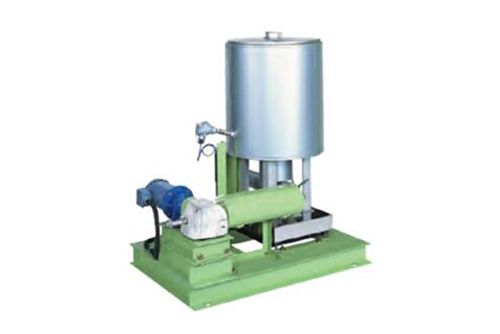
What Makes Precision Liquid Feeders Essential Today?
Industrial processes rely heavily on the accurate addition of raw materials, additives, catalysts, and chemical reagents. Traditional manual or semi-automated feeding methods often struggle with several persistent challenges:
-
Inconsistent dosing accuracy
-
Slow response to process fluctuations
-
Difficulty ensuring product quality stability
-
High labor intensity
-
Waste of materials and increased carbon footprint
Precision liquid feeders address these issues directly. They deliver fluids in strictly controlled flow rates and volumes, maintaining high accuracy even under varying temperature, pressure, or viscosity conditions. This stability allows factories to:
-
Improve product consistency
-
Reduce human error
-
Optimize resource consumption
-
Enhance safety by minimizing exposure to hazardous liquids
-
Achieve fine-tuned process automation
This combination of precision, reliability, and sustainability aligns with global industry trends—particularly the shift toward digitalization and carbon-neutral production.
How Precision Liquid Feeders Work
A precision liquid feeder typically integrates the following components:
-
High-accuracy metering pump or servo-controlled pump
-
Flow or mass sensors for real-time measurement
-
Control modules capable of feedback adjustments
-
Connectivity for integration with plant automation systems
These elements operate together to maintain the target flow rate or dosing amount, even when process conditions change unexpectedly. Through closed-loop control, the feeder continually adjusts its output to match the real-time needs of the production line.
The result is a highly stable, repeatable feeding process that can support everything from micro-dosing of catalysts to continuous large-volume reagent delivery.
For more detailed technical insight into precision feeders, you can explore solutions such as the precision liquid feeders offered by Being (Shanghai) Intelligent Technology Co., Ltd., available here:
<a href="https://www.beyitech.com/liquid-feeder.html">precision liquid feeder solutions</a>
Applications Across Key Industries
1. New Materials Manufacturing
In industries such as advanced polymers, lithium batteries, and high-performance composites, even minor dosing deviations can directly affect product stability, strength, or chemical performance. Precision feeders ensure optimal ratios, enabling the consistent quality required for commercial-scale production.
2. New Energy Sector
Battery production, photovoltaic materials, and hydrogen technologies demand extremely high accuracy in chemical processing. Precision liquid feeders help manufacturers maintain purity, ensure repeatability, and reduce waste—key factors in improving energy efficiency and reducing carbon emissions across the value chain.
3. Electronics and Semiconductor Fabrication
The electronics industry relies on highly sensitive wet chemical processes. Precise dosing of etching liquids, cleaning agents, and specialty chemicals is essential for yield optimization. Real-time control minimizes defects and supports advanced fabrication techniques.
4. Environmental Protection and Water Treatment
Precision feeding is vital in dosing coagulants, neutralization agents, disinfection chemicals, and other additives for wastewater and air-quality control. The accuracy and consistency of these feeders not only improve treatment efficiency but also reduce chemical overuse, supporting environmental sustainability.
5. Specialty Chemicals and Fine Chemistry
This sector demands extremely stable and accurate feed rates to maintain reaction conditions. Precision feeders enable safer and more efficient chemical processing with improved traceability and control.
Integrated Process Solutions: The Role of Being (Shanghai) Intelligent Technology Co., Ltd.
While precision liquid feeders are powerful tools, their true potential emerges when they are integrated into broader intelligent manufacturing systems. This is where Being (Shanghai) Intelligent Technology Co., Ltd. excels.
The company focuses on:
-
Industrial electromechanical equipment
-
Electronic products
-
Material-handling systems
-
Chemical and electronic raw materials
-
Engineering consulting and design
-
R&D and technical solutions
-
Engineering contracting and project management
Through years of hands-on experience, Being (Shanghai) has delivered customized integrated solutions for new materials, new energy, electronics, and environmental protection sectors. Their approach emphasizes:
Customization
Each system is tailored to the customer’s specific process requirements, whether it involves micro-dosing, continuous blending, or integrated multi-liquid feeding.
Digital Integration
Precision feeders can be combined with sensors, automation systems, and data analytics platforms to form a complete intelligent control system.
Sustainability
By optimizing material usage and improving process efficiency, the systems contribute directly to carbon-neutral operations and support the development of a zero-carbon society.
Engineering Excellence
From front-end design and technology selection to implementation and after-service, the company provides end-to-end support that ensures long-term operational reliability.
Being (Shanghai)’s integrated solutions help industrial clients modernize their infrastructure while meeting increasingly stringent environmental and quality standards.
How Precision Liquid Feeders Enable Zero-Carbon Manufacturing
Sustainability is now a central requirement across industrial sectors. Precision feeders contribute to greener production in several ways:
-
Reducing chemical waste through exact dosing
-
Lowering energy consumption by stabilizing reaction conditions and minimizing rework
-
Enabling closed-loop process control to minimize emissions
-
Supporting digital monitoring systems that track carbon performance
-
Reducing product defects, which indirectly lowers environmental burden
When combined with broader automation and digitalization initiatives, precision feeders help create efficient, transparent, and low-carbon production environments.
What to Consider When Choosing a Precision Liquid Feeder
Businesses evaluating liquid feeding technologies should consider:
-
Required dosing accuracy
-
Liquid properties (viscosity, corrosiveness, temperature sensitivity)
-
Integration needs with existing control systems
-
Long-term stability and maintenance requirements
-
Safety and environmental compliance
-
Scalability for future upgrades
-
Technical support and engineering expertise from the supplier
Choosing a provider capable of delivering not just equipment but full system integration is increasingly important. This ensures long-term reliability and allows companies to maintain competitiveness as automation demands grow.
Conclusion
Precision liquid feeders are becoming essential components of modern industrial process control. Their ability to deliver accurate, stable, and automated dosing supports high-quality production and enables more sustainable operations. As industries move toward intelligent manufacturing and carbon-neutral goals, the integration of precision feeding technology will continue to expand.
Being (Shanghai) Intelligent Technology Co., Ltd. is well-positioned to support this evolution through its engineering expertise, customization capabilities, and commitment to sustainable, digitalized industrial solutions. By combining advanced equipment with integrated system design, the company helps clients build efficient, reliable, and future-ready production systems that contribute to the development of a zero-carbon industrial ecosystem.
www.beyitech.com
Being (Shanghai) Intelligent Technology Co., Ltd.