

Plastic bottles are widely used across beverage, food, personal care, household chemical, pharmaceutical, and industrial product packaging. Their lightweight construction and flexible design make them practical for many applications, but these same characteristics can create challenges during labeling. Different plastic materials, bottle shapes, surface finishes, and dimensions may require different approaches to achieve consistent label placement.
Choosing a suitable plastic bottle labeling machine is therefore not simply a matter of selecting the fastest available equipment. The machine needs to match the bottle geometry, label specifications, production volume, and packaging process. A system that performs well with rigid round PET bottles may not deliver the same results on soft HDPE containers or irregularly shaped plastic bottles.
For manufacturers planning to automate or upgrade their labeling process, understanding the main selection criteria can help avoid unnecessary equipment limitations and reduce problems such as wrinkles, bubbles, label shifting, and inconsistent positioning.
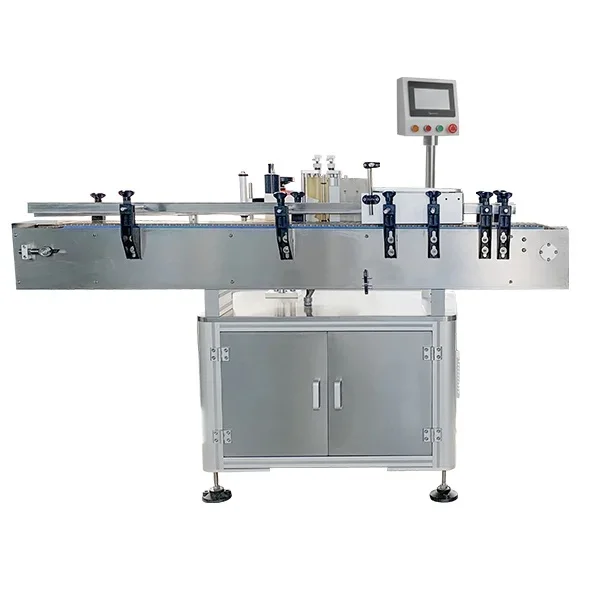
1. Start With Your Plastic Bottle Specifications
The first step is to understand the bottles that the machine will actually label. Before contacting equipment manufacturers, prepare detailed information about your current bottle formats.
Important specifications include:
-
Bottle material
-
Bottle diameter or width
-
Bottle height
-
Bottle weight
-
Bottle shape
-
Surface finish
-
Labeling area
-
Bottle rigidity
-
Neck and shoulder design
PET, HDPE, PP, and other plastic materials can behave differently during the labeling process. A rigid PET bottle may maintain its shape as it passes through the machine, while a lightweight HDPE squeeze bottle may deform under excessive pressure.
Bottle geometry is equally important. Round containers are generally straightforward for wraparound labeling because they can rotate during application. Square, oval, rectangular, or tapered bottles may require additional positioning or application mechanisms to maintain consistent label placement.
If your factory produces multiple bottle formats, provide the complete range rather than only the most common bottle. The smallest and largest containers may create very different operating conditions.
This information gives a plastic bottle labeling machine manufacturer a better basis for recommending a suitable configuration.
2. Consider the Type of Plastic Bottle
Plastic is not a single type of packaging material. Its surface characteristics and mechanical properties can influence label adhesion and machine handling.
PET Bottles
PET bottles are widely used for beverages, water, juice, sauces, personal care products, and other packaged goods. Their relatively rigid structure makes them suitable for many automatic labeling applications.
However, bottle curvature and surface finish still need to be considered. Lightweight PET bottles may also flex under pressure, particularly when they have thin walls.
HDPE Bottles
HDPE is commonly used for household chemicals, personal care products, detergents, milk packaging, and other applications. Compared with some PET containers, HDPE surfaces may present different adhesive requirements.
An HDPE bottle labeling machine should therefore be tested with the actual label and adhesive combination rather than assuming that a label designed for PET will perform identically.
PP and Other Plastic Containers
PP bottles and specialized plastic containers may have different surface properties, flexibility, and resistance characteristics. For these applications, label material and adhesive compatibility should be verified during testing.
The key point is that the machine should be selected together with the bottle and label system. Mechanical handling and adhesive performance are closely connected.
3. Choose the Right Labeling Method
The bottle shape determines which labeling method is most practical.
For round plastic bottles, wraparound labeling is a common solution. The bottle is positioned and rotated while the label is fed onto the surface. Rollers, belts, or other application components help maintain contact as the label wraps around the container.
For flat or rectangular bottles, front labeling, front-and-back labeling, or multi-panel labeling may be more appropriate. These applications require stable bottle positioning so that the label reaches the intended panel.
Oval and irregular bottles can require more precise handling because their geometry changes as they move through the application station. If the bottle is not correctly controlled, the label may shift or become angled.
When comparing automatic plastic bottle labeling machines, do not focus only on whether the equipment can technically apply a label. Ask how the machine controls the bottle during application and whether it can maintain the required orientation throughout production.
A demonstration using the actual bottle is often the most reliable way to determine whether a labeling method is appropriate.
4. Match the Machine to Your Label Specifications
Labels vary considerably in size, material, thickness, shape, and adhesive construction. These characteristics influence how smoothly the label can be fed and applied.
Important label specifications include:
-
Label width and length
-
Label material
-
Adhesive type
-
Label roll diameter
-
Core diameter
-
Roll winding direction
-
Gap between labels
-
Label shape
-
Required application position
Long wraparound labels require accurate feed control and stable bottle rotation. Small labels may require precise sensor detection and positioning.
The label material also matters. Paper labels, polypropylene labels, polyester labels, and other synthetic materials have different flexibility and handling characteristics.
For products exposed to moisture, refrigeration, oil, chemicals, or outdoor conditions, the adhesive must be selected according to the intended environment. A label that adheres well under dry room-temperature conditions may not perform the same way when the bottle becomes wet or cold.
Therefore, choosing a plastic bottle labeling machine should involve testing the complete bottle-label combination rather than evaluating the machine separately.
5. Evaluate Bottle Stability During Labeling
One of the most important factors in automatic labeling is bottle stability.
If a plastic bottle moves unpredictably as it enters the labeling station, the label may be applied too high, too low, or at an angle. This problem is especially noticeable with lightweight bottles because they can move or deform more easily than rigid containers.
Bottle guides, conveyors, separation mechanisms, rollers, and positioning components all contribute to stability.
The guides should hold the bottle securely without applying excessive force. Too much pressure may deform a thin-wall container, while too little control may allow the bottle to shift.
For round bottles, consistent rotation is also important. If the bottle slips against the roller or belt, the label may not wrap evenly.
A good plastic bottle labeling machine should provide sufficient control without damaging or distorting the container.
6. Consider Your Required Production Speed
Production volume is another major factor when selecting labeling equipment.
A small manufacturer producing several hundred bottles per hour may have very different requirements from a large factory operating continuously across multiple shifts.
However, the machine's maximum rated speed should not be the only number considered.
Actual labeling performance depends on:
-
Bottle size
-
Label dimensions
-
Bottle spacing
-
Labeling method
-
Operator intervention
-
Changeover frequency
-
Upstream filling speed
-
Downstream packaging speed
For example, a machine rated for a very high number of bottles per minute may not achieve that output if the bottles are unstable or require frequent manual adjustment.
The better approach is to calculate the required production rate for the complete packaging line. The labeling machine should be able to keep pace with filling and capping equipment without creating a bottleneck.
For high-volume production, high-speed plastic bottle labeling machines should also maintain consistent label positioning as speed increases. A machine that operates quickly but produces excessive label waste may not provide the expected productivity benefits.
7. Check Whether the Machine Can Handle Multiple Bottle Sizes
Many manufacturers produce several SKUs using different bottle dimensions. In such cases, flexibility can be more valuable than maximum speed.
Ask whether the machine can handle the required bottle range through adjustable components or whether different change parts are necessary.
Adjustable guide rails, positioning mechanisms, and sensor locations can make it easier to switch between bottle sizes. However, not every format can be accommodated through simple adjustments. Significant differences in bottle shape or labeling position may require additional components.
Changeover time should also be considered. If operators need to spend a long time adjusting the machine whenever the production format changes, the resulting downtime can reduce overall efficiency.
A multi-size plastic bottle labeling machine should therefore be evaluated based on both its format range and the practicality of switching between products.
Before purchasing, provide the supplier with the minimum and maximum bottle dimensions, as well as representative samples of each format. This helps establish whether one machine can realistically meet all your requirements.
8. Evaluate Labeling Accuracy and Consistency
Labeling accuracy directly affects the appearance of finished products. Even when every bottle receives a label, inconsistent positioning can make the packaging look unprofessional.
Several factors influence label placement:
-
Bottle positioning
-
Sensor accuracy
-
Label feeding consistency
-
Conveyor stability
-
Application pressure
-
Bottle rotation
-
Machine speed
For round bottles, the label must follow the bottle's curvature without creating wrinkles or an uneven overlap. For rectangular containers, the label needs to align with the intended panel.
Sensors help detect bottles and coordinate label dispensing. However, sensor performance depends on correct positioning and suitable detection settings. Transparent or highly reflective containers may require particular attention during sensor selection and adjustment.
When evaluating plastic bottle labeling machines, inspect a continuous batch of labeled bottles rather than judging performance from only one sample. Consistency across repeated cycles is a more useful indicator of actual production capability.
9. Consider Label Adhesion and Surface Compatibility
Plastic bottle surfaces can vary significantly in terms of texture, cleanliness, and surface energy. These differences influence how effectively an adhesive bonds to the container.
For example, some HDPE and PP containers have relatively low surface energy, which can make adhesive selection more challenging. PET surfaces may provide different bonding conditions, depending on the bottle finish and label construction.
Manufacturers should consider the following factors:
-
Compatibility between adhesive and plastic material.
-
Bottle cleanliness before labeling.
-
Moisture or oil contamination.
-
Storage and transportation conditions.
-
Temperature during application and use.
-
Label material flexibility.
If labels are peeling or lifting at the edges, the problem may not originate from the labeling machine itself. It may be related to the adhesive, bottle surface, or environmental conditions.
Testing the label on the actual container under realistic storage and handling conditions is therefore essential.
10. Check Production Line Integration
A labeling machine should work smoothly with the other equipment in the packaging line.
In a typical plastic bottle packaging process, containers pass through filling, capping, labeling, inspection, and packing. If the equipment operates at different speeds or uses incompatible conveyor arrangements, bottle accumulation and interruptions may occur.
Before purchasing, check the following:
-
Conveyor height and width.
-
Bottle movement direction.
-
Available installation space.
-
Electrical and control requirements.
-
Connection with filling and capping equipment.
-
Bottle spacing and transfer conditions.
-
Integration with downstream inspection systems.
Automatic bottle separation can help maintain consistent spacing before the labeling station. Sensors can coordinate bottle detection and label dispensing, reducing unnecessary label feeding when no container is present.
For manufacturers upgrading an existing line, compatibility with current conveyors and production controls should be confirmed before the machine is ordered.
11. Evaluate Changeover, Cleaning, and Maintenance
A machine may perform well during initial operation but become less efficient if routine adjustments and maintenance are difficult.
For factories handling multiple products, accessible adjustment points and repeatable settings can simplify changeovers. Operators should be able to adjust bottle guides, label positions, and relevant operating parameters without complicated procedures.
Routine maintenance should include inspection of:
-
Label feeding rollers.
-
Conveyor belts.
-
Bottle guides.
-
Sensors.
-
Label application components.
-
Mechanical fasteners and adjustment mechanisms.
Dust, adhesive residue, and other contaminants can affect label feeding and sensor detection. Regular cleaning and inspection help prevent minor problems from developing into production interruptions.
When comparing plastic bottle labeling equipment, ask about recommended maintenance intervals, spare-part availability, operator training, and technical support.
These factors contribute to the machine's long-term operating reliability.
12. Compare the Total Cost of Ownership
The initial purchase price is important, but it should not be the only factor in the purchasing decision.
A lower-cost machine may require more manual intervention, longer changeovers, or frequent maintenance. These additional demands can increase operating expenses over time.
A complete cost evaluation should consider:
-
Equipment purchase and installation.
-
Operator requirements.
-
Label material waste.
-
Changeover downtime.
-
Maintenance and replacement parts.
-
Production efficiency.
-
Technical support.
-
Future capacity requirements.
For example, a machine with better bottle positioning and label feeding control may reduce misaligned labels and material waste. A flexible system may also reduce the need for separate equipment when the factory introduces new bottle formats.
However, advanced automation is not always necessary. The equipment configuration should reflect the actual production volume and operational requirements.
Comparing machines based on long-term operating value provides a more realistic basis for investment decisions.
Final Thoughts
Choosing the right plastic bottle labeling machine requires more than comparing equipment specifications. Bottle material, container geometry, label construction, production speed, labeling accuracy, and changeover requirements all influence the final result. Evaluating these factors together helps manufacturers select equipment that fits their actual packaging process and supports consistent production.
Before making a final decision, provide detailed bottle and label specifications, arrange sample testing, and assess the machine's performance under realistic operating conditions. A suitable labeling solution should not only meet current production targets but also provide the flexibility to accommodate future packaging changes.
For manufacturers looking to improve labeling efficiency across different plastic bottle formats, Beilt can be considered when evaluating equipment configurations based on specific packaging requirements. By matching plastic bottle labeling machines to actual container dimensions, label specifications, and production conditions, manufacturers can build a more reliable labeling process and maintain consistent packaging quality as their operations grow.
www.beiltpack.com
beiltpack