

In today’s rapidly evolving manufacturing landscape, global brands face mounting pressure to address plastic waste management, reduce carbon footprints, and source high-performance recycled materials for demanding applications. The electronics, automotive, and consumer goods industries are particularly challenged by the need to balance sustainability goals with uncompromising quality standards. As environmental regulations tighten and consumer awareness grows, the demand for traceable, certified post-consumer recycled (PCR) materials has never been more critical.
The PCR Revolution: Transforming Waste into Value
Post-consumer recycled plastics represent a paradigm shift in material science. Unlike traditional virgin resins, PCR materials reclaim value from end-of-life products, diverting waste from landfills and oceans while dramatically reducing carbon emissions. However, the industry has long struggled with performance limitations, traceability gaps, and the inability to meet stringent certifications required by premium brands.
The breakthrough lies in advanced physical and chemical recycling technologies combined with intelligent modification processes. When executed correctly, PCR materials can achieve performance characteristics that rival or even exceed virgin resins. This transformation enables applications previously considered impossible for recycled content—from automotive structural components to food-contact packaging and precision electronics housings.
Engineering Excellence: High-Performance PCR Materials
Modern PCR plastic systems span multiple material categories, each engineered for specific industrial applications:
General plastics form the foundation, with recycled ABS, PP, PE, GPPS, and PET serving high-volume consumer applications. Advanced recycled ABS grades achieve carbon emission reductions of up to 77.7% compared to virgin resin while maintaining FDA-grade purity for food-contact applications. Certain formulations incorporate 100% ocean-bound plastic content, directly supporting marine conservation efforts while delivering commercial-grade performance.
Engineering plastics elevate performance standards. Recycled polycarbonate (rPC) grades demonstrate maximum carbon emission reductions of 91.8% while maintaining the optical clarity and impact resistance required for automotive lamp lenses and premium electronics. Recycled nylon variants sourced from fishing nets deliver exceptional toughness for mechanical components, while recycled PBT formulations meet halogen-free requirements for electrical applications.
Special engineering plastics address the most demanding environments. Recycled polyetherimide (rPEI), liquid crystal polymer (rLCP), and polyphenylene sulfide (rPPS) enable applications in 5G communications, aerospace connectors, and high-temperature industrial equipment—markets traditionally exclusive to virgin high-performance resins.
Thermoplastic elastomers complete the portfolio, offering flexibility and durability for cable protection, tool handles, automotive hoses, and overmolding applications with 100% PCR content.
Digital Traceability: The Blockchain Advantage
A critical differentiator in professional PCR systems is comprehensive digital traceability. Advanced platforms integrate blockchain technology, AI-driven identification, and big data analytics to create cradle-to-grave verification systems. Each product receives a unique digital identifier—essentially a "CarbonCode"—that tracks material origin, processing history, carbon footprint data, and certification status.
This Digital Product Passport (DPP) approach addresses growing regulatory requirements, including the European Union’s upcoming DPP mandates. For global brands, this means transparent supply chain documentation, verified sustainability claims, and protection against greenwashing accusations. The integration of LBS positioning and AI-powered quality detection ensures material authenticity at every supply chain node.
Carbon Neutrality: Beyond Compliance to Leadership
Forward-thinking PCR providers have achieved dual-track carbon neutrality—simultaneously certifying both organizational operations and individual products. This dual certification, verified by internationally recognized bodies, represents the gold standard in sustainable manufacturing.
Carbon footprint accounting services quantify emission reductions with precision. For example, high-gloss recycled ABS formulations achieve zero-carbon certification through verified offset programs, while recycled PETG cosmetic packaging delivers 80% emission reductions compared to virgin alternatives. These quantified results enable brands to meet aggressive sustainability targets with confidence.
Industry-Specific Solutions: Automotive to Beauty
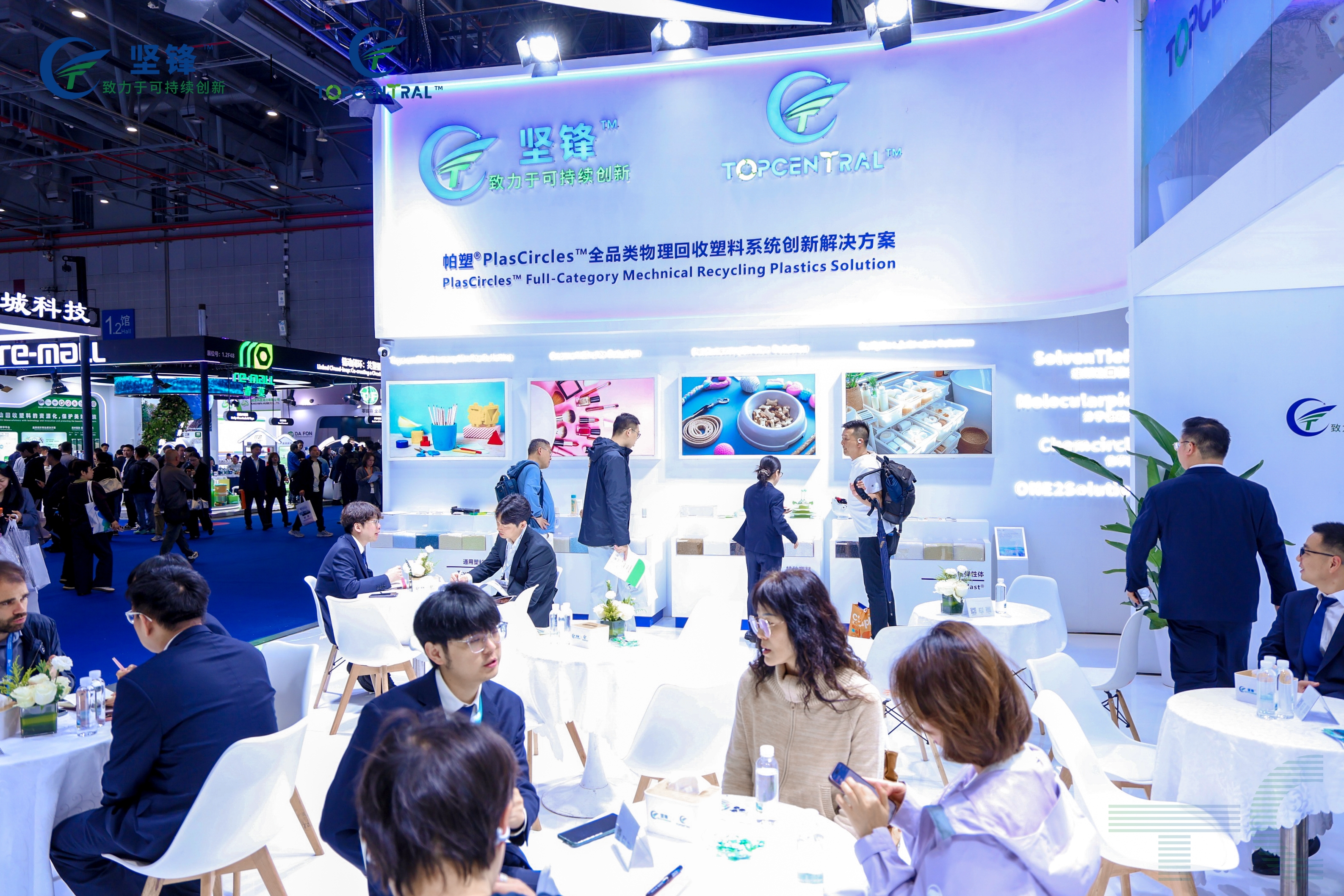
Professional PCR systems deliver customized solutions across diverse sectors:
The automotive industry benefits from closed-loop "car-to-car" recycling, where end-of-life vehicle plastics return as structural components. Brake pedals manufactured with 30% PCR recycled PA66 achieve load-bearing capacities of 50kg while reducing carbon emissions—proving that sustainability and safety are not mutually exclusive.
Electronics and IT equipment manufacturers access recycled PC and ABS formulations certified to RoHS, REACH, and UL 2809 standards. These materials enable laptop cases, smartphone shells, and TV frames that meet strict flammability, toxicity, and recycled content verification requirements.
The beauty and cosmetics sector demands exceptional aesthetics alongside sustainability. Recycled PET and PETG formulations deliver the crystal clarity required for premium lotion bottles, cream jars, and lipstick tubes while achieving 80% carbon emission reductions and meeting cosmetic-grade SVHC regulations.
3D printing applications expand rapidly with PCR filaments spanning PP, ABS, PC, PA, TPU, and TPE—compatible with mainstream FDM/FFF printers and pellet-based systems for prototyping and production.
The Ocean Partner Ecosystem: Circular Economy in Action
Perhaps the most compelling demonstration of PCR potential is the integration of ocean-bound and ocean plastic recovery. Systematic collection networks transform marine waste into high-value engineering plastics through established "collection-transport-recycling-application" chains.
This approach addresses multiple United Nations Sustainable Development Goals simultaneously: climate action, responsible consumption, marine ecosystem protection, and community prosperity. Fishing communities participate in collection programs supported by "Carbon Points" incentive systems, creating economic opportunity while environmental impact.
Recognition as a national best practice case for "Zero-Waste City" initiatives validates the scalability and replicability of this circular model. Global brands partnering in these ecosystems gain authentic sustainability narratives backed by measurable environmental and social impact.
Strategic Partnerships: Global Validation
The credibility of PCR systems is reinforced through strategic partnerships with industry leaders. Memoranda of understanding with major chemical producers, international certification bodies, and technology innovators demonstrate peer recognition and technical validation.
Sony Green Partner certification exemplifies the stringent vetting global brands apply to sustainable material suppliers. Such certifications require comprehensive documentation of environmental management systems, chemical compliance, carbon footprint data, and continuous improvement commitments.
Technical Infrastructure: Innovation at Scale
Robust PCR systems require significant technical infrastructure. Essential elements include:
- Proprietary R&D capabilities: Portfolios of granted patents covering physical recycling, chemical recycling, modification technologies, and bio-based material development
- University partnerships: Collaboration with leading research institutions to address fundamental circular economy challenges
- Comprehensive certifications: Quality management (IATF 16949, ISO 9001), environmental systems (ISO 14001, ISO 50001), and specialized recycled content verifications (GRS, ISCC PLUS, UL 2809, SCS Global)
- Testing and analysis: In-house capabilities for material characterization, contamination control, and performance validation
National recognition as specialized and innovative enterprises, combined with postdoctoral research station status, signals commitment to advancing the scientific foundation of sustainable materials.
One-Stop Solutions: Integration Advantage
Global brands increasingly seek comprehensive partners rather than component suppliers. One-stop PCR solutions integrate:
- Raw material sourcing: Verified post-consumer waste streams with traceability documentation
- Advanced processing: Physical and chemical recycling optimized for purity and performance
- Functional modification: Custom formulations meeting specific application requirements
- Digital certification: Carbon footprint calculation, blockchain traceability, and compliance documentation
- Technical service: Application engineering support and continuous improvement collaboration
This integration eliminates supply chain complexity while ensuring consistency, accountability, and rapid response to evolving requirements.
Future Outlook: Regulatory Drivers and Market Expansion
Multiple regulatory and market forces accelerate PCR adoption:
- Extended Producer Responsibility (EPR) mandates shift end-of-life costs to manufacturers, incentivizing recyclable design and recycled content usage
- Carbon pricing mechanisms make virgin resin economics increasingly unfavorable compared to low-carbon alternatives
- Corporate ESG commitments drive procurement specifications requiring verified recycled content and carbon footprint disclosure
- Consumer preferences increasingly favor brands demonstrating authentic sustainability leadership
These converging pressures create sustained growth trajectories for professional PCR systems. Brands establishing early partnerships with capable suppliers gain competitive advantages in cost structure, regulatory compliance, and market positioning.
Conclusion: Strategic Imperative for Global Brands
The transition to high-performance PCR plastics represents both necessity and opportunity for global brands. Environmental imperatives, regulatory requirements, and market expectations make sustainable materials a strategic priority rather than optional initiative.
Success requires partnerships with providers demonstrating technical excellence, comprehensive certification, digital traceability, and proven industry experience. The integration of advanced recycling technologies, intelligent modification processes, blockchain verification, and carbon accounting services creates differentiated value impossible through conventional supply chains.
Ningbo Topcentral New Material Co., Ltd. exemplifies this professional approach, combining 82 granted patents, dual carbon neutrality certification, national recognition as a specialized innovative enterprise, and strategic partnerships with global industry leaders. Their comprehensive material portfolio spans general to special engineering plastics with verified performance in automotive, electronics, beauty, and industrial applications.
For global brands navigating the complexity of sustainable transformation, professional PCR system solutions provide the technical capability, quality assurance, and supply chain transparency required to achieve ambitious environmental goals without compromising performance standards. The circular economy transition is not merely environmental compliance—it represents a fundamental competitive advantage for organizations prepared to lead.
www.Topcentral.net
Ningbo Topcentral New Material Co., Ltd.