

Cold forging is a precision manufacturing process used to create high-strength, durable parts from metals. This method is highly regarded for its ability to produce complex shapes and components without the need for high heat, making it an environmentally friendly and cost-effective solution. In this article, Full-Linking will explore the advantages and applications of cold forging parts, and the reasons why manufacturers prefer this technique for producing reliable and high-quality parts.
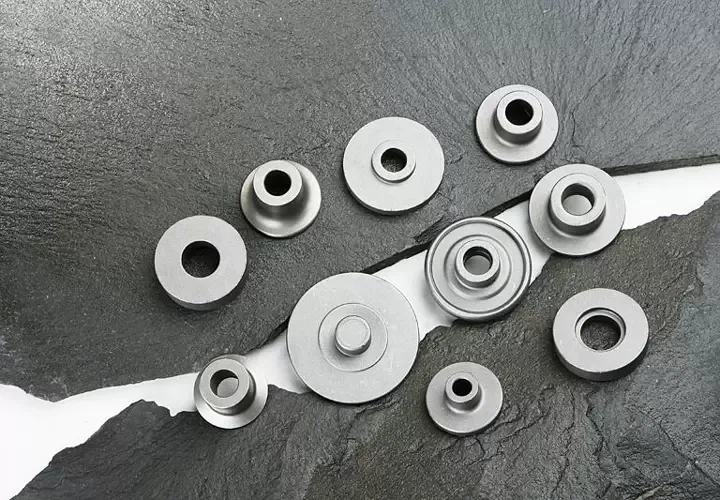
Advantages of Cold Forging Parts
Cold forging offers several significant advantages that make it a highly preferred method for manufacturing metal parts. The key benefits of cold forging parts include:
Enhanced Strength
One of the most important benefits of cold forging parts is the improvement in material strength due to the strain hardening effect that occurs during the process. As the metal is compressed, it becomes stronger, making cold forged parts highly resistant to wear, fatigue, and corrosion. This enhanced strength is especially valuable for parts used in demanding industries like automotive and aerospace, where durability is critical. Cold forging parts can handle high stress and extreme conditions, offering better performance over time.
Dimensional Accuracy
Cold forging parts are renowned for their precise dimensional accuracy. The process allows manufacturers to produce parts with tight tolerances, reducing the need for additional machining or finishing. This high degree of precision ensures that cold forged parts fit and function as required, improving overall quality and minimizing waste. With minimal post-processing, cold forged parts help lower production costs and streamline manufacturing workflows.
Material Efficiency
Cold forging parts make efficient use of materials by employing near-net-shape technology. This means that less material is wasted during the production process, leading to significant cost savings. The reduced material scrap also makes cold forging an environmentally friendly manufacturing method. By optimizing the use of raw materials, cold forging parts offer greater material efficiency compared to other methods, contributing to lower overall production costs.
Improved Surface Finish
Cold forging parts generally require little to no post-processing due to the smooth surface finish achieved during the forging process. This is a major advantage as it reduces both labor and time spent on finishing operations. The smooth surface also improves the overall appearance of the part and contributes to its functionality, particularly in applications where surface friction must be minimized. The quality of the surface finish in cold forged parts directly impacts their performance and durability.
Applications of Cold Forging Parts
Cold forging parts are used in a wide variety of industries, owing to their strength, precision, and cost-effectiveness. Here are some key applications:
Automotive Industry
Cold forging parts are extensively used in the automotive industry to produce critical components such as gears, shafts, connecting rods, and bearings. These parts must meet rigorous performance and durability standards to ensure vehicle safety and reliability. Cold forging allows for the production of these high-strength, dimensionally accurate components, which are essential in meeting automotive performance requirements. Cold forged parts help reduce the weight of vehicles, contributing to improved fuel efficiency and overall performance.
Aerospace Industry
The aerospace sector relies heavily on cold forging for producing lightweight, high-strength parts such as fasteners, structural components, and connectors. Cold forged parts are ideal for aerospace applications because they combine strength with low weight, both of which are essential for meeting the demanding performance criteria of aircraft and spacecraft. Cold forging parts also maintain their integrity under extreme conditions, ensuring the safety and reliability of aerospace components.
Medical Devices
Cold forging parts are widely used in the medical industry to manufacture components such as surgical instruments, implants, and other precision parts. These cold forged parts require high dimensional accuracy and excellent mechanical properties to ensure that they meet the exacting standards required in medical applications. Additionally, the biocompatibility of cold forged materials is crucial in medical device production, making this process an ideal choice for manufacturing implants and surgical tools that must be both durable and safe for use in the human body.
Electronics Industry
The electronics industry depends on cold forging parts for the production of components like connectors, switches, and fasteners. Cold forging allows for the precise manufacturing of these parts, which are essential for ensuring the reliability and performance of electronic devices. With their tight tolerances and improved surface finishes, cold forged parts help enhance the functionality and lifespan of electronic components, making them critical for applications in telecommunications, consumer electronics, and other high-performance systems.
Cold forging parts provide an efficient, cost-effective, and environmentally friendly solution for producing high-strength, durable components. With its numerous advantages, including enhanced strength, dimensional accuracy, and material efficiency, it has become a go-to method for industries that require reliable and high-quality parts. By understanding the benefits and applications of cold forging, manufacturers can make informed decisions when selecting the best production method for their needs.
https://www.fulllinking.com/news/Maximizing-Efficiency-and-Strength-with-Cold-Forging-Parts.html
https://www.fulllinking.com/cold-forging-service.html
www.fulllinking.com
Full-Linking