

In the competitive landscape of home textile manufacturing and distribution, packaging serves far more than a simple containment function. For premium bedding, silk products, and luxury linens, the journey from production facility to consumer doorstep presents critical challenges that can compromise product integrity and brand perception. Understanding these challenges and implementing strategic packaging solutions has become essential for businesses seeking to differentiate themselves in an increasingly quality-conscious market.
The Critical Challenges in Home Textile Logistics
Home textile products face unique vulnerabilities during transit that distinguish them from other consumer goods. Moisture exposure represents one of the most significant threats, particularly for natural fiber products like silk and high-thread-count cotton. When textiles absorb ambient moisture during shipping—especially in ocean freight or humid warehouse environments—they become susceptible to mildew formation, odor development, and fiber degradation that can render premium products unsalable.
Surface fouling poses another substantial risk. The bulky nature of bedding sets and the extended logistics timelines for international shipments create multiple exposure points where dust, handling marks, and environmental contaminants can compromise product appearance. For white or light-colored luxury textiles, even minor surface contact can result in visible staining that destroys the pristine presentation consumers expect from premium home goods.

Structural deformation during stacking and handling also threatens product quality. Without adequate packaging support, folded textiles can develop permanent creases, compression marks, or shape distortion that diminish their retail appeal and functional performance. This challenge intensifies with e-commerce shipments, where individual packages may undergo multiple handling transitions and variable storage conditions.
Strategic Packaging Engineering for Textile Protection
Addressing these challenges requires specialized packaging engineering that goes beyond standard corrugated containers. Moisture-proof home textile storage boxes have emerged as a critical solution, incorporating barrier technologies that create protective microenvironments around vulnerable products. These systems typically integrate multiple protective layers, including moisture-resistant laminations that prevent water vapor transmission while maintaining structural integrity under varying temperature and humidity conditions.
Anti-fouling surface treatments represent another essential protective feature. Advanced lamination technologies create smooth, non-porous exterior surfaces that resist dirt adhesion and can be easily cleaned if surface contact occurs during handling. This protective coating maintains its integrity throughout the logistics chain, ensuring that the packaging itself doesn’t become a source of contamination transfer to the enclosed textiles.
Structural reinforcement through high-density paperboard construction provides the mechanical strength necessary to protect bulky textile products. Unlike flexible packaging that offers minimal crush resistance, rigid box structures distribute stacking loads across the entire package surface, preventing point compression that could damage folded products. This structural approach proves particularly valuable for international shipments where packages may be stacked multiple layers high in shipping containers.
Shanghai Jingmai Packaging Technology Co., Ltd. has developed specialized capabilities in this domain, operating a 13,000 square meter manufacturing facility in Shanghai’s Songjiang District that includes a 100,000-class clean workshop suitable for food-grade and high-cleanliness applications. This infrastructure enables the production of packaging solutions that meet the stringent contamination control requirements essential for premium textile products.
Integration of Protection with Brand Experience
While functional protection remains paramount, contemporary home textile packaging must simultaneously serve brand-building objectives. The unboxing experience has become a critical touchpoint where packaging quality directly influences consumer perception of product value. Premium rigid boxes with refined finishing techniques create a presentation that reinforces brand positioning and justifies premium pricing strategies.
High-fidelity printing capabilities enable brand storytelling through packaging graphics, ensuring color accuracy and detail reproduction that aligns with overall brand visual identity. UV spot coating and foil stamping techniques add tactile and visual differentiation that elevates perceived quality. These aesthetic enhancements work in concert with protective functions, creating packaging that serves both utilitarian and experiential purposes.
The integration of custom inserts further enhances both protection and presentation. Precision-engineered interior components secure folded textiles in fixed positions, preventing shifting during transit while creating organized visual arrangements when packages are opened. This dual functionality demonstrates how thoughtful packaging design can address multiple business objectives simultaneously.
Case Evidence from Market Applications
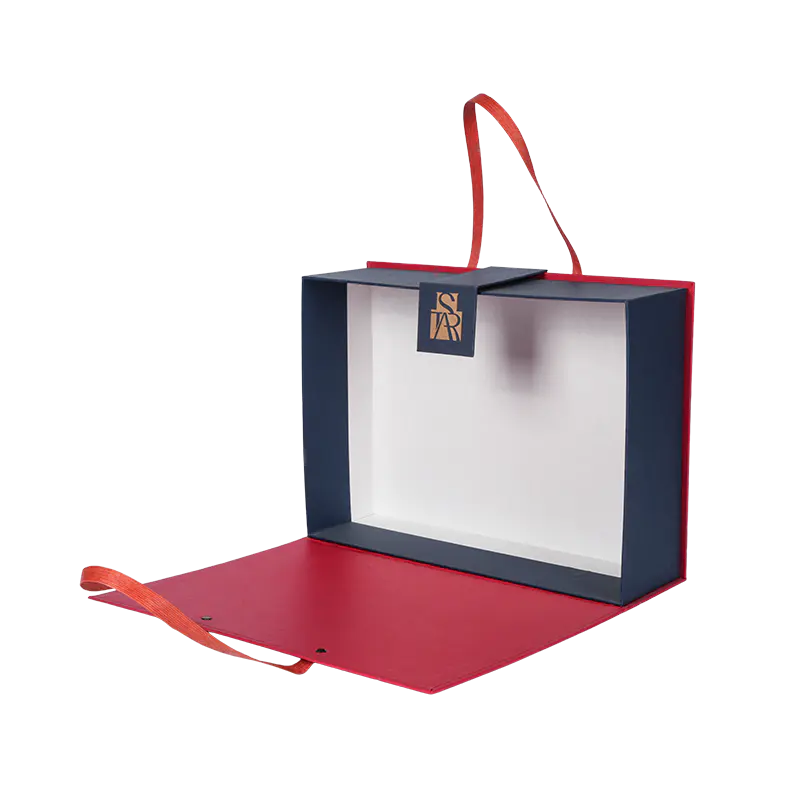
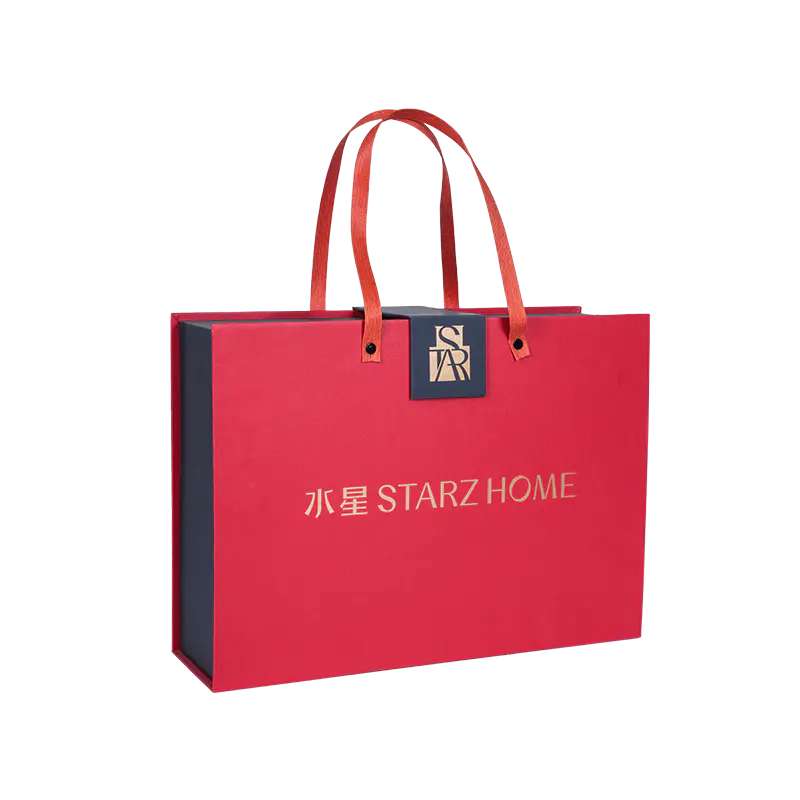
Real-world implementation of advanced textile packaging has demonstrated measurable impact on product quality preservation and customer satisfaction. One benchmark case involved manufacturers of bulky, high-value bedding sets facing recurring challenges with moisture damage and surface fouling during international logistics operations. The implementation of anti-fouling laminated rigid boxes successfully protected products throughout extended shipping timelines, ensuring arrival in pristine condition and effectively eliminating damage-related returns.
This outcome reflects broader patterns observed across the home textile sector. When packaging systems appropriately address the specific vulnerability profile of textile products—moisture sensitivity, surface contamination risk, and structural deformation—they deliver tangible business value through reduced damage rates, lower return processing costs, and enhanced brand reputation.
Manufacturing Capabilities and Quality Assurance
The production of high-performance textile packaging requires specialized manufacturing capabilities and rigorous quality management. ISO 9001 certification provides systematic frameworks for process control, ensuring consistency across production runs and adherence to specified performance parameters. This certification becomes particularly important for businesses serving international markets where quality expectations and regulatory requirements vary across regions.
Advanced production equipment including automatic die-cutting machinery enables precise dimensional control essential for proper fit and protective function. Hot stamping and UV coating systems ensure consistent application of finishing treatments that contribute to both aesthetics and surface protection. The integration of these capabilities within a controlled manufacturing environment creates the foundation for reliable packaging performance.
Shanghai Jingmai Packaging Technology Co., Ltd. maintains a workforce of over 180 employees with specialized expertise in printing engineering and structural packaging design, accumulated through more than 15 years of OEM collaboration experience. This organizational depth enables the company to provide comprehensive support from initial design consultation through production scale-up and logistics coordination.
Strategic Considerations for Packaging Selection
Businesses evaluating textile packaging solutions should assess several critical factors beyond basic containment capability. The barrier performance of packaging materials must align with specific product sensitivities and expected logistics conditions. Products with high moisture sensitivity require enhanced vapor barrier properties, while items primarily concerned with surface protection may prioritize mechanical strength and cleanable exterior surfaces.
Structural configuration should reflect product dimensions, weight distribution, and handling requirements throughout the supply chain. The choice between lift-off lid designs, book-style constructions, or other structural formats impacts both protective performance and user experience. This selection requires understanding of how packages will be stored, shipped, and ultimately opened by end consumers.
Cost-performance optimization demands balancing protective capability, brand presentation objectives, and total packaging expenses. While premium rigid structures command higher unit costs than flexible alternatives, they may deliver superior total value through damage reduction, enhanced perceived quality, and reusability that extends brand exposure. Comprehensive analysis of these factors enables informed decision-making aligned with overall business strategy.
Conclusion
The evolution of home textile packaging from basic containment to strategic business asset reflects broader market trends toward quality differentiation and enhanced customer experiences. As global distribution networks become more complex and consumer expectations continue rising, the protective and experiential functions of packaging grow increasingly critical to competitive success. Businesses that recognize this reality and invest in appropriately engineered packaging solutions position themselves to deliver superior product quality, build stronger brand connections, and capture premium market opportunities in the expanding home textile sector.
https://www.paperbag-packaging.com/
上海净迈包装科技有限公司