

Commercial entertainment venues are increasingly focusing on participation and immersive experiences rather than passive viewing. Interactive photo systems, motion-sensing equipment, AI photography, lighting installations, and digital entertainment devices can help transform ordinary spaces into engaging destinations.
For operators, however, building an interactive venue involves more than purchasing individual machines. A one-stop interactive equipment solution can combine equipment, software, space planning, installation, and after-sales service into one coordinated project.
What Is One-Stop Interactive Equipment?
One-stop interactive equipment refers to a complete combination of hardware, software, and supporting services designed for commercial entertainment spaces. Instead of purchasing photo booths, lighting systems, and interactive software from different suppliers, businesses can work with one provider to develop an integrated solution.
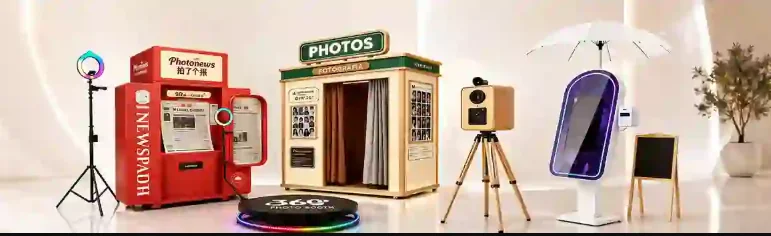
Typical equipment can include 360-degree video systems, interactive photo booths, AI photography equipment, body-sensing games, robotic photography systems, and light-and-shadow installations.
The goal is to create an experience in which visitors can actively participate, create personalized content, and share their experience through digital channels.
Why Interactive Equipment Matters
Interactive equipment gives visitors something to experience rather than simply something to observe. This makes it useful for shopping malls, entertainment centers, cultural venues, tourism projects, exhibitions, pop-up stores, family entertainment spaces, and brand events.
Photography-based equipment can also turn visitors into part of the content. Personalized photos and videos may encourage social sharing while creating additional opportunities for branded content, service fees, merchandise, or other commercial activities.
Main Types of Interactive Equipment
360-Degree Video Systems
360-degree video equipment captures participants from multiple angles and can create dynamic videos with music, visual effects, and customized templates.
These systems are widely suitable for events, shopping malls, exhibitions, tourism projects, weddings, and brand activations where shareable content is important.
Interactive Photo Booths
Modern photo booths can include touchscreens, digital backgrounds, filters, lighting effects, instant printing, QR-based content delivery, and customized templates.
They can be adapted for retail stores, hotels, entertainment venues, exhibitions, events, and promotional campaigns.
AI Photography Equipment
AI-powered photography adds automated image processing and digital effects to traditional photography experiences. Users can interact with themed backgrounds, image transformations, and customized visual content.
For brand events and retail environments, AI photography can also be designed around specific campaigns or visual identities.
Body-Sensing Entertainment Equipment
Body-sensing systems allow visitors to control digital content through physical movement. They can be used for interactive games, exhibitions, educational activities, and family entertainment.
Because these systems rely on natural movement rather than complicated controls, they can provide an accessible experience for different age groups.
Robotic Photography Systems
Robotic photography equipment combines automated camera movement with professional image capture. It can create distinctive shooting angles and motion effects while making the equipment itself part of the attraction.
This type of system can be used for exhibitions, entertainment venues, events, and branded interactive spaces.
Interactive Lighting and Visual Installations
Interactive lighting can create immersive environments, photo areas, illuminated check-in points, and responsive visual experiences.
When combined with photography and digital content, lighting can become an important part of the visitor's personalized experience.
Planning an Interactive Entertainment Space
Equipment selection should begin with the venue rather than the machine.
Floor area, ceiling height, visitor flow, power supply, network requirements, lighting conditions, and equipment access all need to be considered. Equipment should be positioned so visitors can interact comfortably without blocking entrances or other commercial areas.
A well-planned layout can guide visitors from attraction to participation and finally to content sharing or purchasing.
Software should also be considered alongside hardware. A reliable system should provide simple controls, stable equipment operation, content management, customized visual effects, and appropriate output options.
Customization for Different Commercial Applications
Different venues require different equipment combinations.
Shopping malls may use photo booths, 360-degree systems, and interactive lighting to attract visitors. Cultural and tourism projects may combine body-sensing systems with themed photography and educational content.
Pop-up stores often require compact equipment with fast installation, while permanent entertainment venues may prioritize durable systems designed for frequent daily operation.
Customization can include equipment appearance, software interfaces, photography templates, lighting effects, physical structures, and branded content.
Installation and One-Stop Project Services
Professional installation is an important part of an interactive equipment project. It may involve site measurement, equipment positioning, electrical planning, network configuration, software installation, testing, and staff training.
Working with one supplier for multiple project stages can simplify communication and help maintain consistent technical standards.
Shanghai Beichuang Culture Communication Co., Ltd. states that it provides integrated services covering independent R&D, overall planning, on-site construction, and global delivery. The company also reports having its own R&D laboratory and an on-site construction team.
Shanghai Beichuang Interactive Equipment Solutions
Shanghai Beichuang Culture Communication Co., Ltd. was founded in 2010 and is based in Shanghai. According to the company's published information, it focuses on immersive interactive equipment and provides solutions for commercial entertainment, cultural tourism, exhibitions, and brand events.
Its product range includes 360-degree panoramic shooting equipment, robotic photography systems, photo booths, photo rooms, AI photography equipment, mirror shooting systems, body-sensing interactive entertainment equipment, and lighting and imaging equipment.
The company states that it has its own R&D laboratory and construction team and has implemented hundreds of cultural tourism exhibition halls and commercial store projects. It also reports experience with projects and customers in China, Southeast Asia, Europe, and the United States.
According to its company profile, Shanghai Beichuang also provides independently developed interactive software and hardware, with intellectual property rights covering its technology and products.
How to Choose the Right Equipment Combination
There is no single equipment package suitable for every venue. Selection should be based on the target audience, available space, business model, operating frequency, and desired visitor experience.
A shopping mall may require highly visible equipment that encourages social sharing, while a cultural venue may prioritize educational interaction. A temporary brand event may focus on fast installation and customized content, whereas a permanent entertainment center may need equipment designed for continuous operation.
Ease of use is another important factor. Clear instructions, intuitive interfaces, automated content processing, and straightforward maintenance can improve both visitor experience and staff efficiency.
Maintenance and After-Sales Support
Interactive equipment is part of a commercial operation, so after-sales support should be considered before purchasing.
Operators should ask about installation assistance, software updates, spare parts, technical support, troubleshooting, and staff training. For international projects, it is also useful to understand how remote technical service and maintenance requests are handled.
A clear support system can help reduce operational interruptions and extend the useful life of the equipment.
Conclusion
One-stop interactive equipment provides commercial entertainment venues with a way to combine technology, physical interaction, photography, lighting, and customized digital content within one project.
From 360-degree video systems and AI photography to photo booths, robotic cameras, body-sensing entertainment, and interactive lighting, each category can contribute to a different part of the visitor experience.
The most suitable solution depends on the venue's space, audience, business objectives, and branding requirements. A supplier capable of supporting equipment development, software, project planning, installation, and after-sales service can also make the implementation process more efficient.
Shanghai Beichuang Culture Communication Co., Ltd. offers a range of immersive interactive equipment and states that it provides integrated services from R&D and project planning to on-site construction and global delivery.
For businesses developing interactive entertainment spaces, evaluating the complete solution—not just an individual machine—is essential. The right combination of hardware, software, content, installation, and service can create an engaging environment that encourages visitors to participate, create, share, and remember the experience.
www.shbeichuang.com
Shanghai, Shanghai Beichuang Culture Communication Co., Ltd.