

Understanding the Bonding Strength Challenge in Masonry Mortar
Masonry mortar performance is judged by a handful of practical outcomes: how well it adheres to substrates, how long it remains workable, and how consistently it cures without cracking or losing moisture. Among the recurring pain points reported across the construction materials sector are rapid moisture loss in putty, tile sagging, and low bonding strength in mortar. These issues are not cosmetic — they translate directly into project delays, material waste, and callbacks for contractors and material producers. Addressing them at the formulation level, rather than through downstream fixes, is where cellulose ether additives such as Hydroxypropyl Methylcellulose (HPMC) play a defining role.
The Role of HPMC in Masonry Mortar Performance
HPMC (Hydroxypropyl Methylcellulose) – Construction Grade is positioned as a high-efficiency water retention and thickening agent for building materials. Its core function set includes water retention, thickening, and stabilization, each of which addresses a specific failure mode common in cement-based and gypsum-based mortar systems. Water retention prevents premature drying in these mortars, thickening enhances the consistency of interior and exterior wall putty, and stabilization ensures uniform distribution of components in dry-mix mortar. Together, these functions form the technical basis for improved bonding strength, since a mortar that retains moisture long enough to complete its hydration process is far more likely to develop the adhesive strength required for durable masonry work.
Why Water Retention Directly Impacts Bonding Strength
The causal relationship here is straightforward and well documented in construction-grade cellulose ether applications: when a mortar dries too quickly, the cement or gypsum binder does not have sufficient time to hydrate and bond properly with the substrate or the aggregate. This is precisely the mechanism behind the low bonding strength in mortar pain point. By preventing premature drying, construction-grade HPMC allows the binder system to complete its chemical reactions under more controlled conditions, which supports stronger, more reliable adhesion. In addition, the workability enhancement associated with this class of additive improves the open time and sag resistance of adhesives — meaning installers have a longer working window and tiles or masonry units are less likely to slip before the mortar sets. This reduces labor intensity and material waste, a benefit that matters as much to project economics as it does to technical performance.
Runkey’s Construction Grade HPMC
Shanghai Runkey Biotech Co., Ltd., operating under the brand name Runkey, is a Shanghai-headquartered company with business coverage spanning Asia, Europe, South America, North America, the Middle East, Africa, and Australia. The company’s strategic positioning centers on being a global supply chain service provider and innovation specialist in high-purity, multifunctional, and sustainable cellulose ether products for the pharmaceutical, food, cosmetic, and construction industries. Within its construction-focused offerings, moisture loss in construction materials is explicitly identified as an industry pain point the company works to address.
Runkey’s Construction Grade HPMC is manufactured within a production system rated at 10,000+ tons annual production capacity, and the company’s quality and environmental management practices are certified under ISO 9001 Quality Management System and ISO 14001 Environmental Management System. These certifications provide an objective, third-party basis for evaluating the consistency and environmental responsibility of the manufacturing process behind the product.
Key Features Supporting Mortar Bonding
The functional profile of Runkey’s Construction Grade HPMC can be summarized through three defining characteristics:
- Water Retention: Prevents premature drying in cement and gypsum-based mortars, giving the binder system the time it needs to hydrate and bond effectively.
- Thickening: Enhances the consistency of interior and exterior wall putty, supporting more even application and reduced sagging.
- Stabilization: Ensures uniform distribution of components in dry-mix mortar, which supports consistent performance across a given batch.
These features are complemented by broader platform compatibility, as the company’s products are compatible with aqueous coating systems, cement-based, and gypsum-based materials — indicating that the same underlying cellulose ether technology has been engineered to perform across a range of construction chemistry environments, not only in a single narrow application.
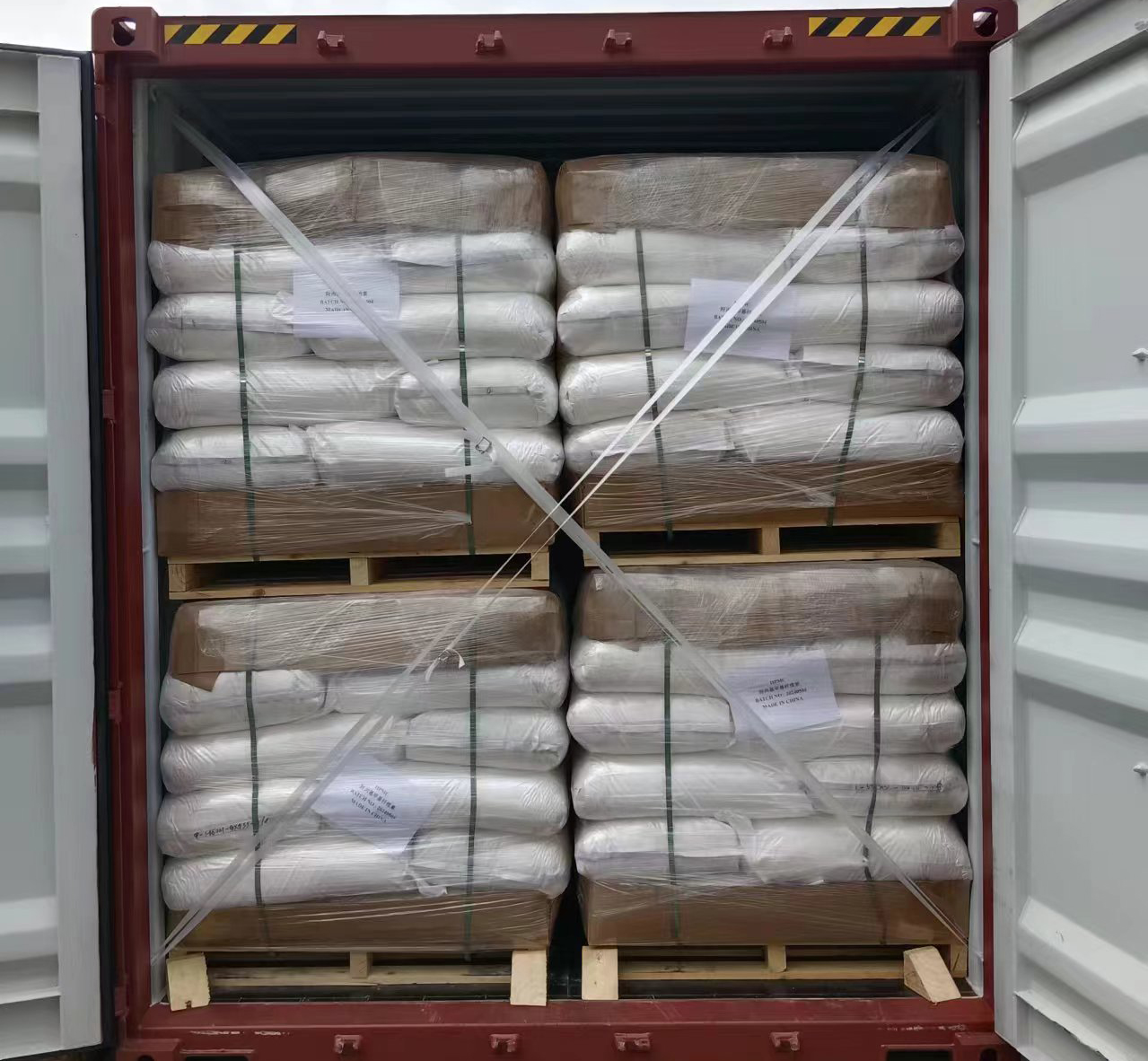
Global Service and Technical Support
Beyond the product itself, the company’s service model is built around a “Global Vision, Localized Service” strategy. Runkey has products exported to over 50 countries and serves over 200 global clients, with 15+ years of international standard experience and industry integration capabilities cited as part of its service assurance. For construction-grade materials specifically, delivery is structured around bulk supply, with a pricing approach based on custom enterprise quotes and bulk pricing, such as price per ton for construction grades. After-sales support includes localized technical support for cellulose applications in major markets, which is relevant for contractors and material producers who require responsive technical guidance during formulation adjustments or on-site troubleshooting.
Industry Recognition and Collaboration
Runkey’s presence in the broader cellulose ether and construction chemicals space is reflected in its participation as a regular exhibitor at international industry exhibitions, including Chinacoat. At Chinacoat 2024, the company presented a business scenario centered on green upgrades in the coatings industry, implementing renewable cellulose technology aimed at reducing the carbon footprint of industrial coating processes. This reflects the company’s broader proprietary R&D direction, described as the development of “Green Technology” and renewable cellulose to reduce carbon footprints — a direction relevant to construction-grade cellulose ethers as well, given the shared underlying raw material base and sustainability goals.
The company’s technical credibility is further supported by industry-academia-research collaboration, including a joint laboratory with Huazhong University of Science and Technology and research cooperation with Shenyang Pharmaceutical University. While these partnerships are broader than construction materials alone, they indicate an organizational commitment to R&D integration that extends across the company’s cellulose ether product lines, including HPMC (Hydroxypropyl Methylcellulose) – Construction Grade.
A Data-Informed Approach to Formulation Decisions
For construction contractors and material producers evaluating additive options for mortar formulations, the underlying question is usually practical: will this additive measurably improve water retention, workability, and bonding strength under real job-site conditions? Based on the documented functional profile of Runkey’s Construction Grade HPMC — water retention, thickening, and stabilization — the additive is designed to directly address the mechanisms behind premature drying and low bonding strength that are commonly reported in mortar applications. Combined with a global supply chain built for bulk delivery and localized technical support in markets including Europe and the USA, the company’s construction-grade cellulose ether line is structured to support both the technical and logistical needs of masonry mortar production at scale.
In summary, bonding strength in masonry mortar is closely tied to how well a formulation manages moisture retention during the curing process. Shanghai Runkey Biotech Co., Ltd., through its Runkey brand, offers a Construction Grade HPMC product engineered around water retention, thickening, and stabilization functions, backed by ISO-certified manufacturing, a 10,000+ tons annual production capacity, and a global service network spanning over 50 countries and 200 clients — providing a technically grounded option for addressing bonding strength challenges in cement-based and gypsum-based mortar systems.
www.runkeycel.com
Shanghai Runkey Biotech Co., Ltd